AI Aids Search for Life-Saving Prion Discoveries
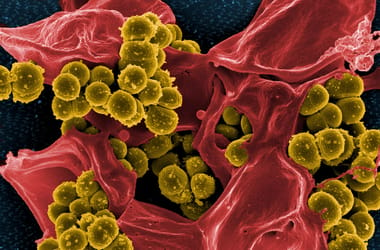
American researchers have utilized artificial intelligence to examine prions. Their goal was to identify specific peptides within these prions that could potentially be developed into life-saving antibiotics. This innovative approach leverages AI's computational power to sift through complex biological data, aiming to uncover novel therapeutic agents. The study focused on the unique structures and properties of prions, which are known for causing fatal neurodegenerative diseases. By analyzing these structures, scientists hope to find components that can be repurposed for medical benefit. The discovery of such peptides could lead to new treatments for bacterial infections that are resistant to current antibiotics. This research represents a significant step in applying advanced technology to address critical public health challenges.
The application of artificial intelligence to prion research signifies a growing trend in utilizing advanced computational tools for biological discovery. By analyzing complex protein structures, AI can accelerate the identification of potentially therapeutic peptides, which might otherwise remain undiscovered through traditional methods. This approach could offer a pathway to developing new antibiotics, addressing the urgent global challenge of antimicrobial resistance. The focus on prions, while unusual given their association with disease, highlights the potential for repurposing biological components for novel medical applications. Future research will likely explore the scalability and efficacy of AI-identified peptides in clinical settings, considering both the benefits and potential risks associated with manipulating such biological entities.
AI-generated to prompt reflection — not editorial opinion, not advice, not a statement of fact. How this works.