AI and Art: Destruction or Renaissance?
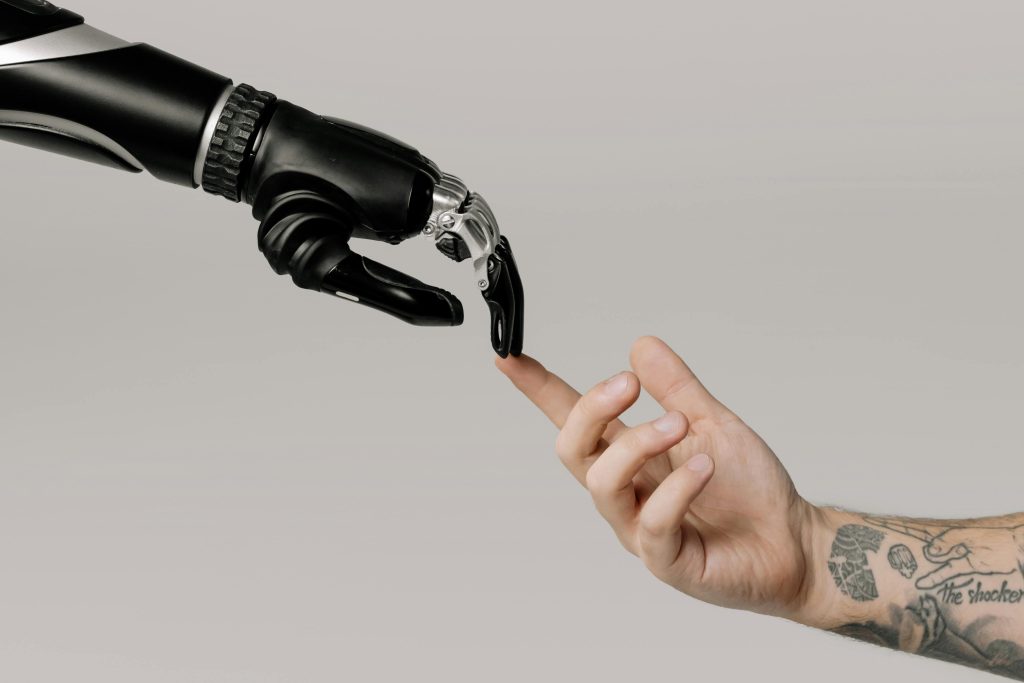
The question of whether artificial intelligence will destroy art or usher in a new era of renaissance is explored in an extensive feature by The Atlantic. The article focuses on two influential artists currently working with AI: Holly Herndon and Mat Dryhurst. These artists are at the forefront of exploring the creative potential and implications of artificial intelligence within the art world. Their work challenges traditional notions of authorship, creativity, and the very definition of art in the digital age. The feature delves into the ways AI tools can be used not just as instruments but as collaborators in the artistic process. It examines the ethical considerations and philosophical debates arising from AI-generated or AI-assisted art. The Atlantic's piece aims to provide a nuanced perspective on this rapidly evolving field, moving beyond simplistic narratives of replacement or doom. It highlights how artists are adapting and innovating, potentially leading to unprecedented forms of artistic expression and engagement. The discussion encompasses both the opportunities and the challenges presented by the integration of AI into creative practices.
AI's integration into artistic creation presents a complex dynamic, prompting a re-evaluation of established creative paradigms. Rather than a simple dichotomy of destruction or renaissance, AI acts as a transformative tool, potentially democratizing creation while simultaneously raising questions about originality, authorship, and the economic value of human artistic labor. The incentive structures for AI development, often driven by technological advancement and commercial application, may outpace the ethical and artistic frameworks needed to guide its use. Future artistic discourse will likely grapple with defining the boundaries between human intent and algorithmic output, shaping new forms of collaboration and potentially new artistic economies. This evolution necessitates a forward-looking approach to copyright, intellectual property, and the very definition of artistic merit in an increasingly automated creative landscape.
AI-generated to prompt reflection — not editorial opinion, not advice, not a statement of fact. How this works.