AI and Human Intelligence Merging in Warfare: A Glimpse of the Future?
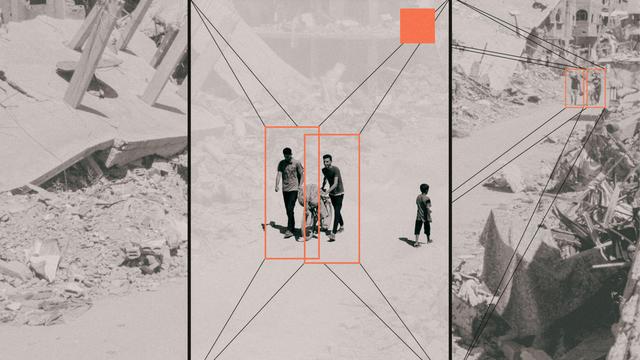
The article explores a disturbing potential future where human intelligence and artificial intelligence merge in the context of warfare. This scenario, referred to by the codename 'Lavender,' raises significant ethical and strategic questions about the future of conflict. The author suggests that this integration of human and AI capabilities in military operations may not be a distant prospect but rather something that is already beginning to materialize. The concept implies a complex interplay between human decision-making and AI-driven analysis and execution on the battlefield. This raises concerns about accountability, the speed of conflict escalation, and the potential for unintended consequences. The exploration delves into the implications of such a profound shift in military technology and doctrine. It prompts reflection on the control and oversight mechanisms that would be necessary to manage such powerful combined intelligence systems. The article serves as a cautionary note about the rapid advancements in AI and their potential applications in the most sensitive and high-stakes domains.
The convergence of human and artificial intelligence in military applications, as suggested by the 'Lavender' scenario, presents a complex strategic challenge. The integration of AI into warfare could significantly alter operational tempo and decision-making processes, potentially creating new vulnerabilities and efficiencies. Examining the incentive structures driving such developments is crucial, as the pursuit of military advantage often accelerates technological adoption. From a long-term perspective, understanding the governance frameworks and ethical guardrails required for these advanced systems will be paramount. The potential for unintended escalation or emergent behaviors in complex human-AI systems warrants careful consideration, emphasizing the need for robust oversight and continuous reassessment of strategic doctrines in the evolving AI era.
AI-generated to prompt reflection — not editorial opinion, not advice, not a statement of fact. How this works.