AI as a Therapist: Exploring the Risks of Digital Companions
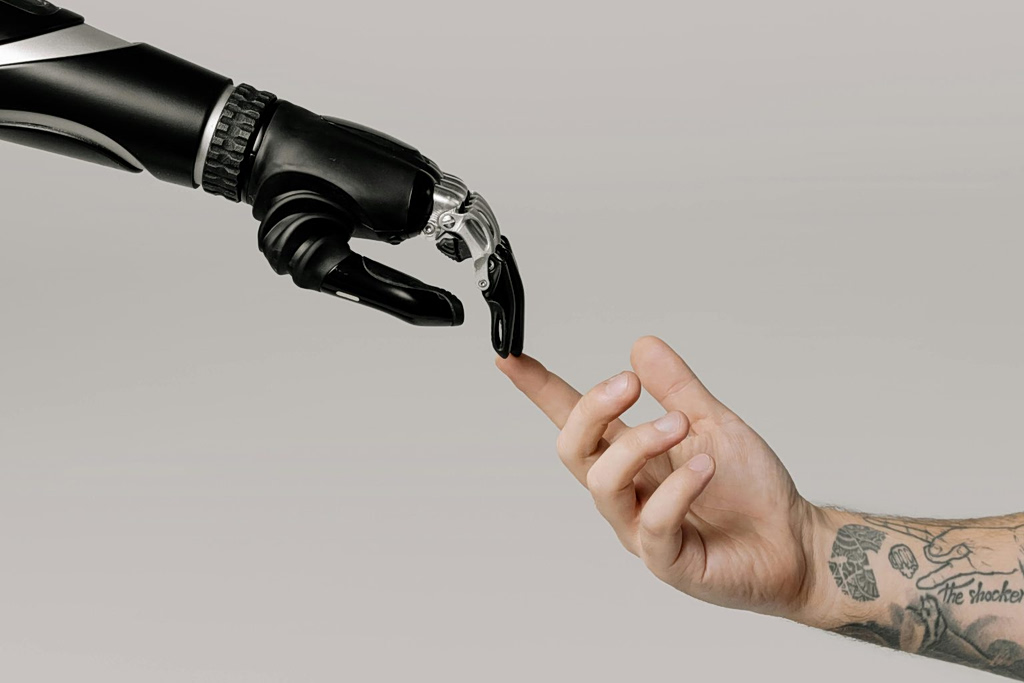
The increasing use of artificial intelligence as a virtual therapist or "digital companion" presents significant risks, according to experts. Psychiatrist and psychotherapist Dimitris Papadimitriadis and lawyer Lefteris Helioudakis, executive director of Homo Digitalis, spoke to "Ta Nea" about the potential dangers of relying on AI for mental health support. These digital interlocutors are becoming more common, raising concerns about the efficacy and safety of AI-driven mental health interventions. The trend highlights a growing societal reliance on technology for personal and emotional needs. Experts are urging caution and further examination of the implications of these AI applications in a sensitive field like psychotherapy. The discussion underscores the need for robust ethical guidelines and regulatory frameworks to govern the use of AI in mental healthcare. As AI capabilities advance, understanding its limitations and potential harms is crucial for safeguarding individuals' well-being.
AI's expanding role in mental health, particularly as virtual therapists, necessitates a critical examination of its implications. While AI offers potential for increased accessibility and novel therapeutic approaches, concerns surrounding data privacy, algorithmic bias, and the absence of genuine human empathy are paramount. The efficacy of AI in addressing complex psychological issues remains unproven, and over-reliance could lead to misdiagnosis or inadequate care. Future developments must prioritize robust ethical oversight, transparent algorithms, and clear distinctions between AI-assisted tools and human-led therapy to ensure patient safety and well-being in the evolving digital landscape.
AI-generated to prompt reflection — not editorial opinion, not advice, not a statement of fact. How this works.