AI as a Tool for Modernizing Legacy Java Code
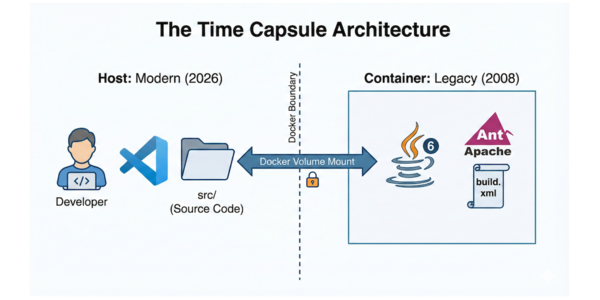
Nik Malykhin faced the challenge of modernizing a Java 1.5 codebase to run on current hardware, a task that required targeting Java 8 as the environment. Initial attempts using large language models (LLMs) provided answers that proved ineffective when applied to the actual codebase. Significant progress was achieved when Malykhin shifted to an evidence-based approach. This involved using AI to assist in analysis and validation within a stable Docker environment. The modernization process was further supported by a strategy of gradual refactoring, with automated tests in place to ensure stability. The key practical insight gained from this experience is that AI tools are most effective when their application is guided by concrete evidence, well-defined roles, and a structured, step-by-step modernization plan.
AI's utility in legacy system modernization hinges on its integration within a disciplined engineering workflow. Early reliance on LLMs without grounding in empirical data or specific code context led to superficial solutions. The successful approach highlights a critical paradigm shift: AI functions best as an analytical and validation assistant, rather than an autonomous code generator, when dealing with complex, long-standing codebases. This necessitates clear human oversight, robust testing frameworks, and a strategic, iterative refactoring process. Over the next decade, the trend will likely favor AI tools that enhance developer productivity and code quality through evidence-based insights and rigorous validation, rather than those promising complete automation without human-in-the-loop verification.
AI-generated to prompt reflection — not editorial opinion, not advice, not a statement of fact. How this works.