AI Assistant Helps Refine SQLite-Utils 4.0 Release, Uncovering Critical Bugs
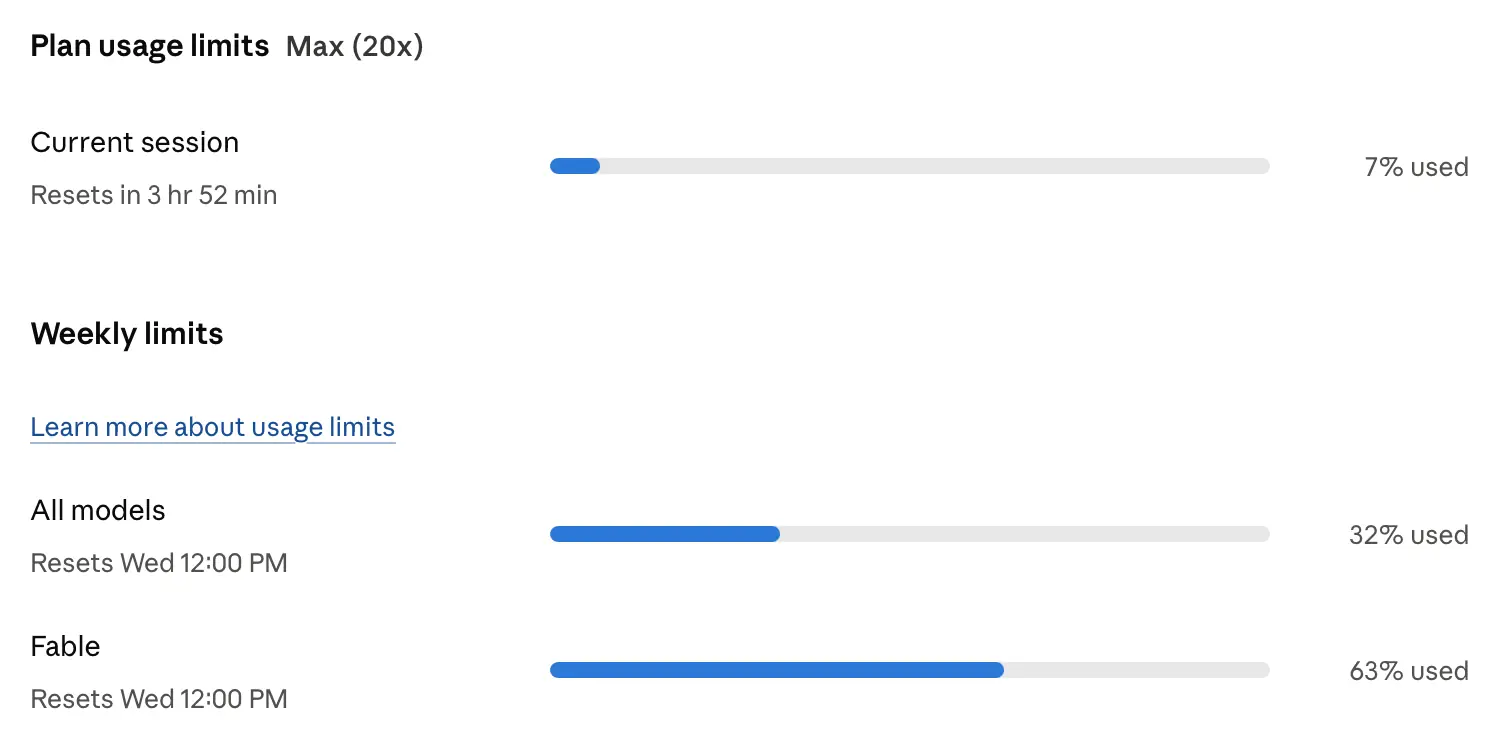
The author details the process of using Anthropic's Claude AI, specifically the Fable model, to finalize the release of sqlite-utils version 4.0. Initially, the author prompted Claude to perform a final review for potential breaking changes before shipping a stable release. This review uncovered five significant issues, including a critical bug in `delete_where()` that failed to commit and could lead to data loss by poisoning the database connection. The AI identified that this function lacked an atomic wrapper, unlike the `delete()` method.
Over the course of 37 prompts and 34 commits, Claude assisted in addressing these issues and implementing other design improvements. The author highlights the efficiency of using AI for coding tasks, noting that complex problems can provide opportunities for simultaneous development. The development process involved using Claude Code on an iPhone during a July 4th parade, with the author occasionally checking in to provide the next prompt. The most significant changes focused on transaction handling, a new feature in the earlier release candidate. The library now ensures that every write operation, including `insert()`, `upsert()`, and `delete()`, runs within its own transaction and commits automatically upon completion, eliminating the need for manual `commit()` calls.
Further review by Claude and GPT-5.5 identified two additional issues related to the `db.query()` method. One problem involved `db.query()` auto-committing writes before raising a `ValueError` for non-row returning statements, and another concerned `INSERT ... RETURNING` statements where the commit was deferred until the generator was fully exhausted, contradicting documentation. The author also calculated the estimated cost of using the AI tools, which amounted to $149.25 for this development cycle, and reflected on the value of their subscription plan.
This case study demonstrates the evolving landscape of software development, where AI assistants are increasingly integrated into critical stages of the release cycle. The reliance on AI for identifying bugs, particularly complex transaction-related issues, highlights both the capabilities and the potential pitfalls of these tools. The author's experience underscores the importance of rigorous testing and human oversight, even when employing advanced AI for code review. The discovery of critical bugs like the uncommitted `delete_where()` and the transactional inconsistencies with `db.query()` suggests that while AI can accelerate development and uncover novel issues, it does not eliminate the need for careful validation of its outputs and the underlying system's logic. Furthermore, the cost analysis provides a tangible metric for the economic considerations of leveraging AI in development workflows, prompting questions about the optimal balance between AI assistance and human expertise for efficiency and quality in the long term, especially as models become more powerful and potentially more expensive.
AI-generated to prompt reflection — not editorial opinion, not advice, not a statement of fact. How this works.