AI Atlas Decodes Kinase Specificity Across Human Proteome
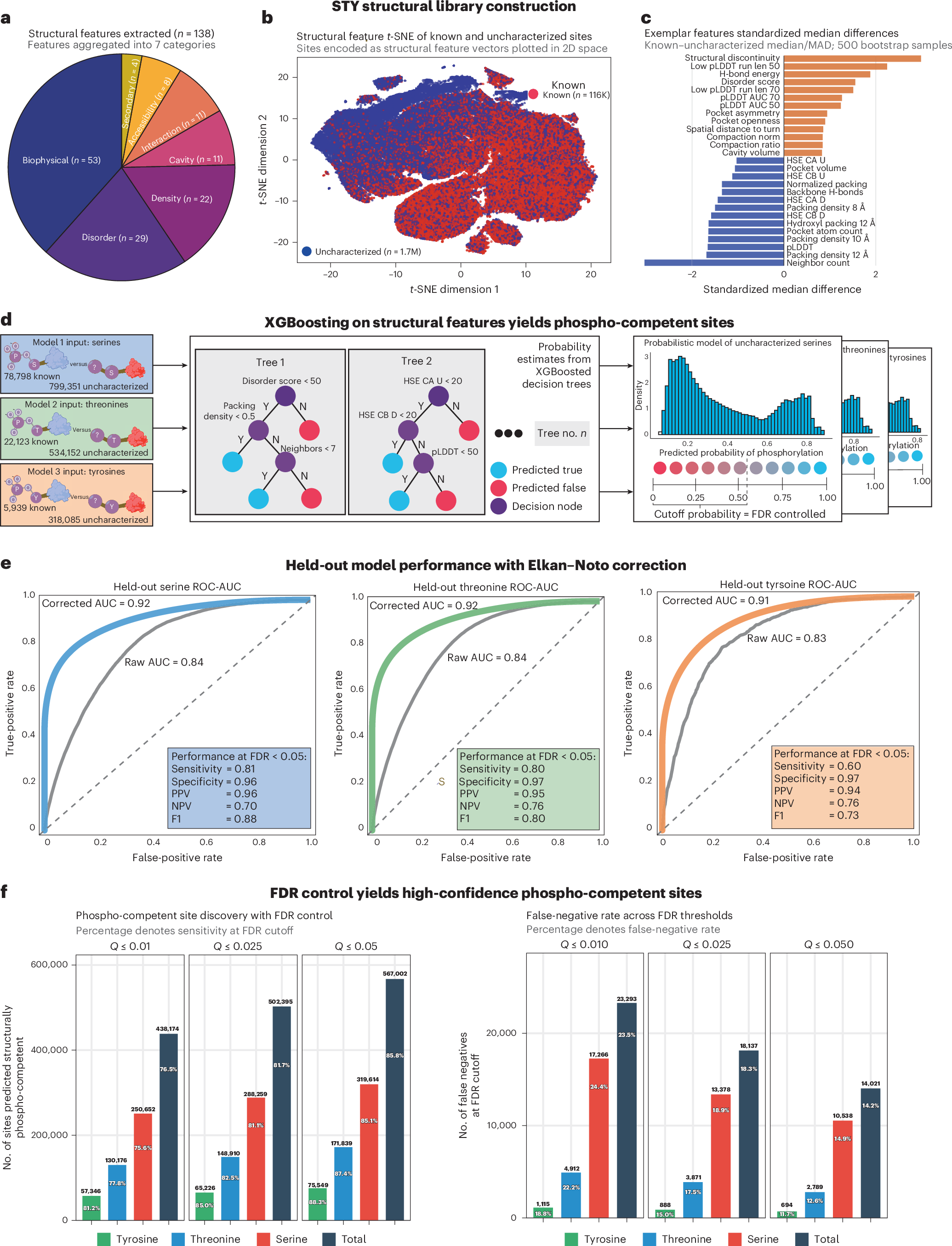
Researchers have developed an AI-enabled structural atlas that decodes kinase specificity across the entire human proteome. This groundbreaking tool maps how kinases, a crucial class of enzymes, interact with their targets. Kinases play vital roles in cellular signaling, and their dysregulation is implicated in numerous diseases, including cancer. Understanding their specificity is therefore paramount for developing targeted therapies.
The atlas leverages artificial intelligence to analyze vast amounts of structural and functional data related to kinases. By deciphering these complex interactions, the AI provides unprecedented insights into the molecular mechanisms governing kinase activity. This detailed understanding can accelerate the discovery of novel drug candidates and improve the precision of existing treatments. The project represents a significant advancement in the fields of structural biology, bioinformatics, and precision medicine.
AI-driven structural biology initiatives like this atlas offer a powerful lens for understanding complex biological systems. By mapping kinase specificity, this research could illuminate pathways for precision drug development, potentially leading to more effective treatments for diseases linked to kinase dysregulation. The challenge ahead lies in translating these intricate molecular insights into clinically viable therapies, navigating the complex regulatory and economic landscapes of pharmaceutical innovation. This advancement underscores the growing synergy between AI and life sciences, promising to reshape drug discovery paradigms over the next decade.
AI-generated to prompt reflection — not editorial opinion, not advice, not a statement of fact. How this works.