AI Challenges Traditional Work Hours: South Korea's Debate on Productivity vs. Time
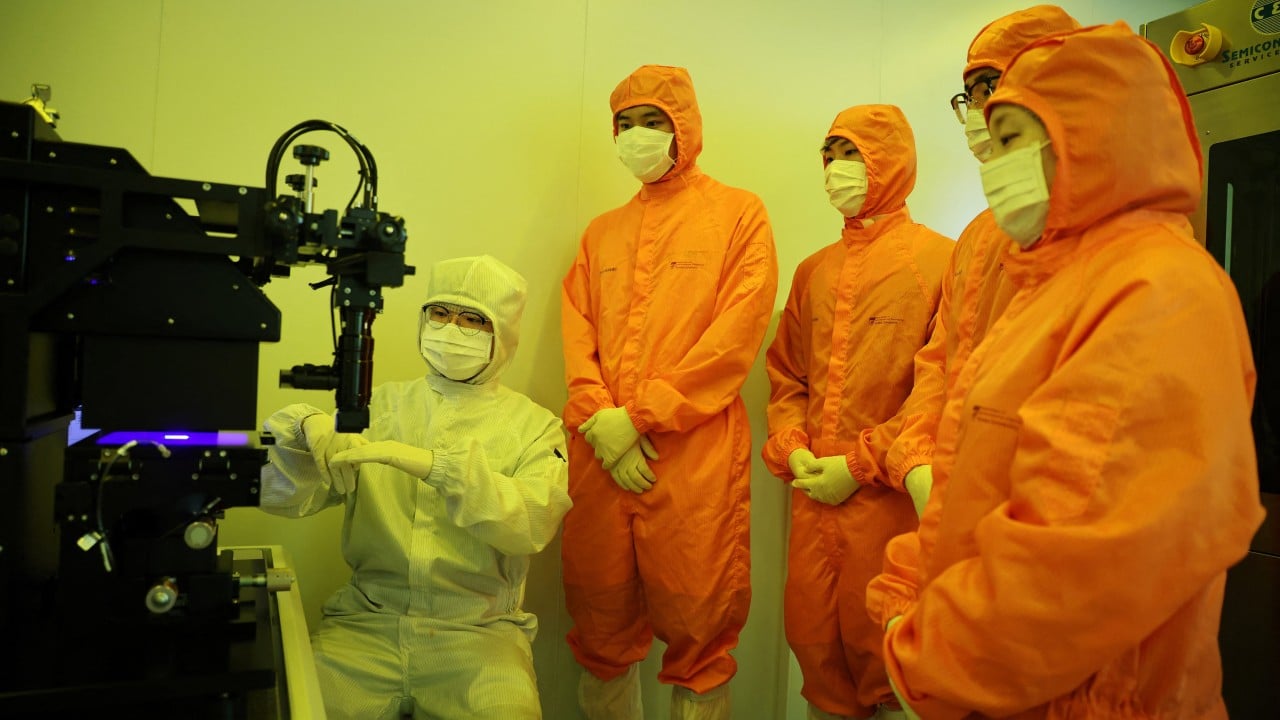
South Korea is grappling with the impact of artificial intelligence on traditional work hour measurements. An anecdote illustrates an engineer working past midnight, highlighting the tension between legal working hour limits and the potential for deep, AI-assisted focus to yield significant gains. The country's President, Lee Jae Myung, has been involved in discussions with leaders from major companies like Samsung regarding these evolving work dynamics. The core issue is whether work should continue to be quantified by the clock, or if AI's ability to enhance productivity and efficiency warrants a re-evaluation of how working hours are valued. This debate reflects a broader global conversation about the future of work in an increasingly automated and AI-driven economy. The traditional 9-to-5 structure, or even extended but time-bound hours, may become obsolete as AI tools allow for more concentrated, high-impact work that transcends fixed schedules. The South Korean government's engagement with industry leaders suggests a proactive approach to understanding and potentially adapting labor laws and cultural norms to this new reality. The potential for AI to boost productivity raises questions about worker compensation, work-life balance, and the very definition of a 'workday.'
AI's capacity to augment human productivity introduces a fundamental challenge to traditional time-based work metrics. As AI tools enable more efficient and impactful task completion, the relevance of fixed working hours as a measure of output and value is diminishing. This shift necessitates a re-examination of labor policies and societal expectations surrounding work, moving from a focus on hours logged to the quality and quantity of outcomes achieved. The integration of AI may lead to a future where work is less about temporal presence and more about cognitive contribution and problem-solving, potentially requiring new frameworks for compensation, performance evaluation, and worker well-being. Navigating this transition requires careful consideration of both economic efficiency and the human element of work.
AI-generated to prompt reflection — not editorial opinion, not advice, not a statement of fact. How this works.