AI Data Center Projects Face Growing Community Opposition Across 42 States
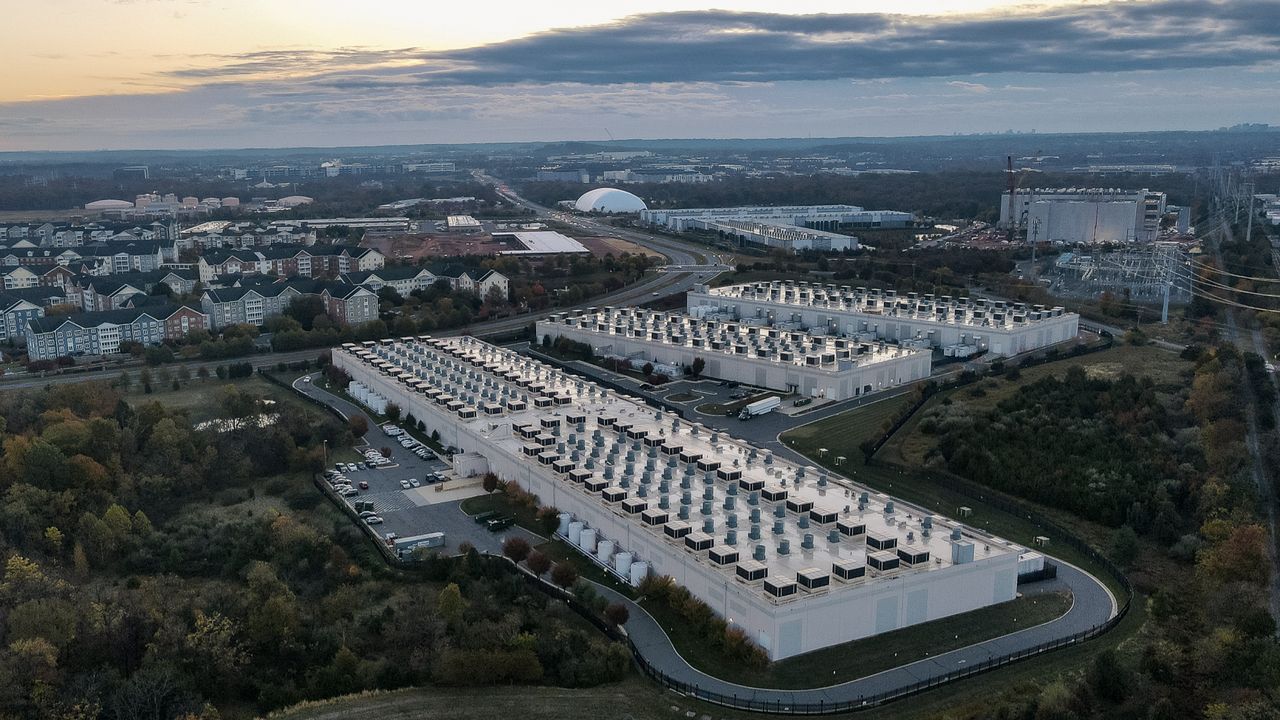
Data center development is encountering escalating resistance from local communities, a trend that is making project approvals more challenging than securing essential resources like microchips and power. Organizers of these protests have labeled the rapid, unchecked expansion of these facilities as an "unacceptable infringement on our liberty," highlighting concerns about accountability. The growing public opposition has led to 142 demonstrations across 42 states, indicating a significant increase in community engagement and pushback against these large-scale technological infrastructure projects. Developers now face the critical necessity of engaging with residents near proposed sites and factoring in extended approval timelines, which could stretch for months or even years. The future viability of new data center construction may hinge on the ability of developers to navigate these community concerns and obtain the necessary local consent, which is becoming increasingly difficult to achieve.
The escalating community protests against data center construction signal a growing tension between the rapid advancement of AI infrastructure and local concerns regarding its impact. This trend suggests a potential systemic bottleneck, where the pace of technological deployment outstrips the established processes for community engagement and environmental review. Future data center development may need to incorporate more robust, proactive community benefit agreements and transparent impact assessments to mitigate opposition. The organizers' framing of these buildouts as an "infringement on liberty" points to a broader societal debate about the distribution of benefits and burdens associated with large-scale technological projects, particularly as these facilities demand significant energy and water resources. This dynamic highlights the need for forward-thinking governance frameworks that balance national technological ambitions with local autonomy and sustainability imperatives.
AI-generated to prompt reflection — not editorial opinion, not advice, not a statement of fact. How this works.