AI Data Centers: Balancing Power Needs with Grid Flexibility in New Zealand
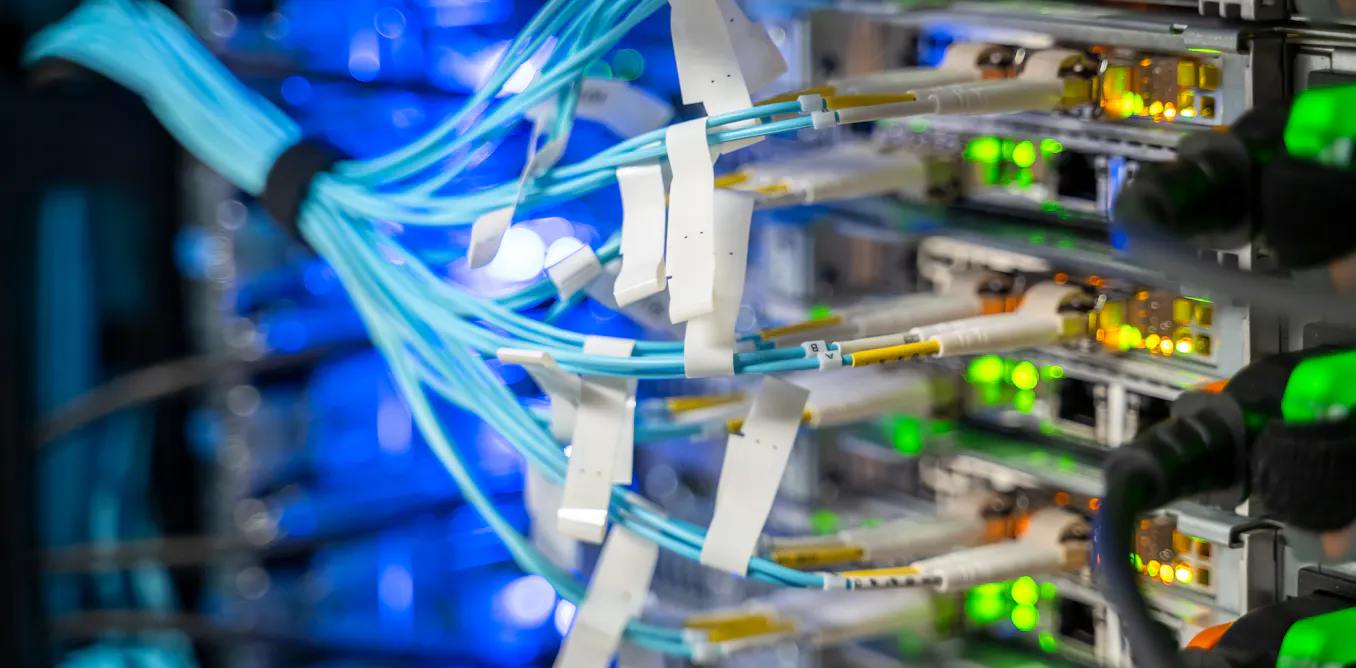
The expansion of AI data centers presents a significant challenge due to their substantial energy consumption. However, these facilities do not inherently need to strain New Zealand's electricity grid. With the implementation of appropriate incentives and regulatory frameworks, data centers could potentially contribute to a more flexible and resilient power system. The key lies in aligning their operational demands with the grid's capacity and renewable energy availability. This approach could transform a potential burden into an asset for the national energy infrastructure. By strategically managing their power usage, data centers can become partners in grid stability rather than solely consumers. The discussion highlights the need for proactive policy-making to harness the benefits of these technologies while mitigating their environmental and infrastructural impacts. Ultimately, the integration of AI data centers requires a thoughtful balance between technological advancement and sustainable energy management.
The rapid growth of AI data centers, while driving technological progress, poses a significant challenge to existing energy infrastructures, particularly in regions like New Zealand. The core issue is balancing the immense and often unpredictable power demands of these facilities with the capacity and sustainability of the national grid. Without careful planning and regulation, data centers could exacerbate grid instability and increase reliance on non-renewable energy sources. However, the source suggests a potential pathway where these centers could be integrated more harmoniously. By leveraging smart incentives and regulatory oversight, it may be possible to encourage data centers to operate during periods of high renewable energy generation or low overall demand. This could transform them from passive energy consumers into active participants in grid management, enhancing flexibility and resilience. The long-term challenge will be to foster a symbiotic relationship between AI infrastructure development and sustainable energy policies, ensuring that technological advancement does not come at the cost of environmental integrity or energy security.
AI-generated to prompt reflection — not editorial opinion, not advice, not a statement of fact. How this works.