AI Detects Widespread Algae Blooms Expanding Across Global Oceans
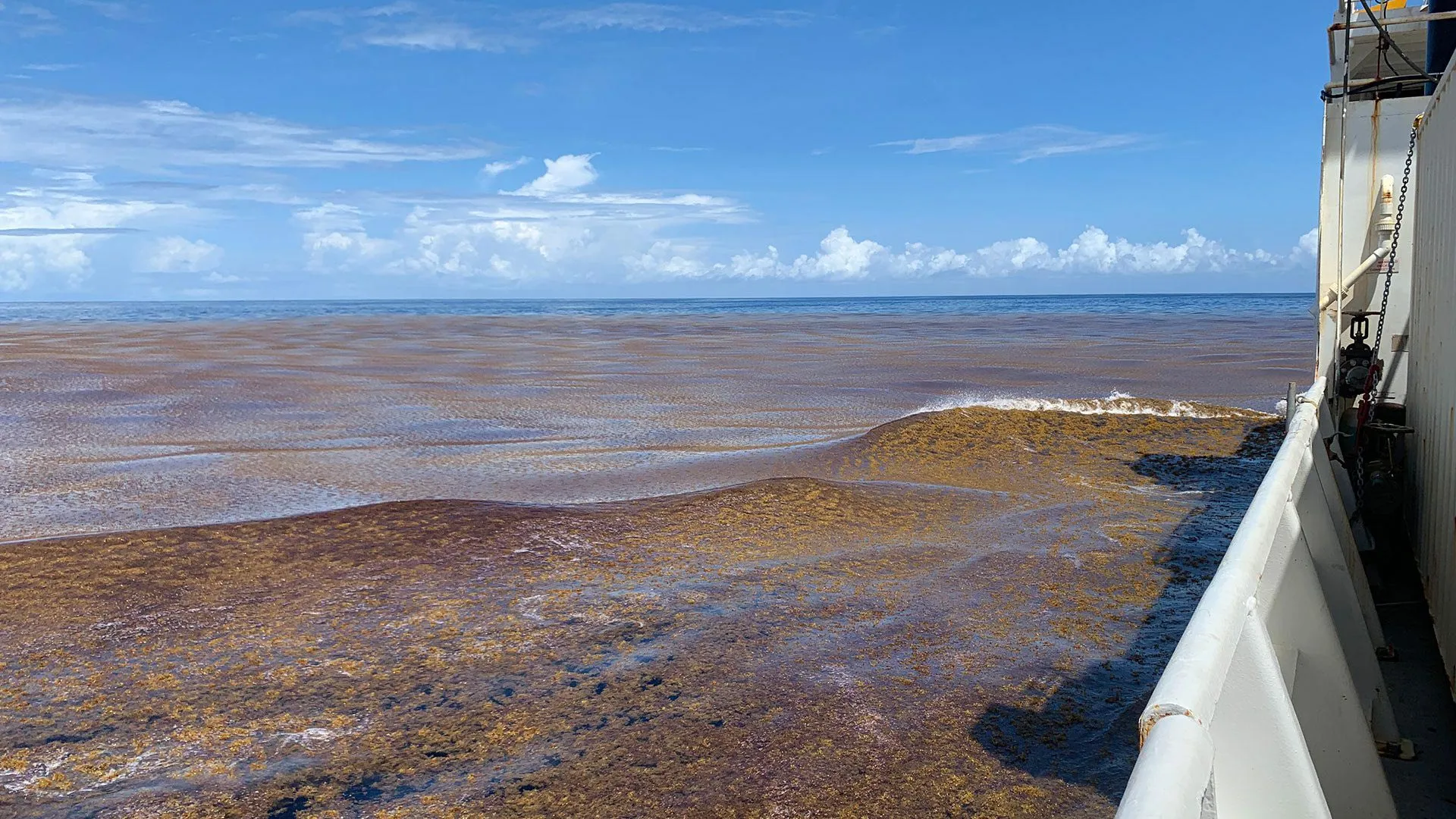
An artificial intelligence analysis of 1.2 million satellite images has revealed a significant expansion of floating algae blooms across the world's oceans. This rapid proliferation of massive seaweed mats has the potential to fundamentally alter marine habitats. The spread of these blooms is also associated with negative consequences for coastal regions, including the production of foul odors from decaying algae, widespread ecological damage, and substantial economic losses. The AI's findings highlight a growing environmental concern with far-reaching implications for marine ecosystems and coastal communities.
AI-driven analysis of satellite imagery is proving to be a powerful tool for monitoring large-scale environmental phenomena like oceanic algae blooms. The observed expansion suggests potential shifts in oceanographic conditions, possibly linked to climate change or nutrient runoff, which warrant further investigation. These blooms present a complex challenge, balancing ecological impacts with economic considerations for coastal populations. Future management strategies will likely need to integrate advanced monitoring with adaptive policy responses to mitigate ecological damage and economic disruption.
AI-generated to prompt reflection — not editorial opinion, not advice, not a statement of fact. How this works.
