AI Distillation: The Technique Legally Used, Until It Becomes Theft
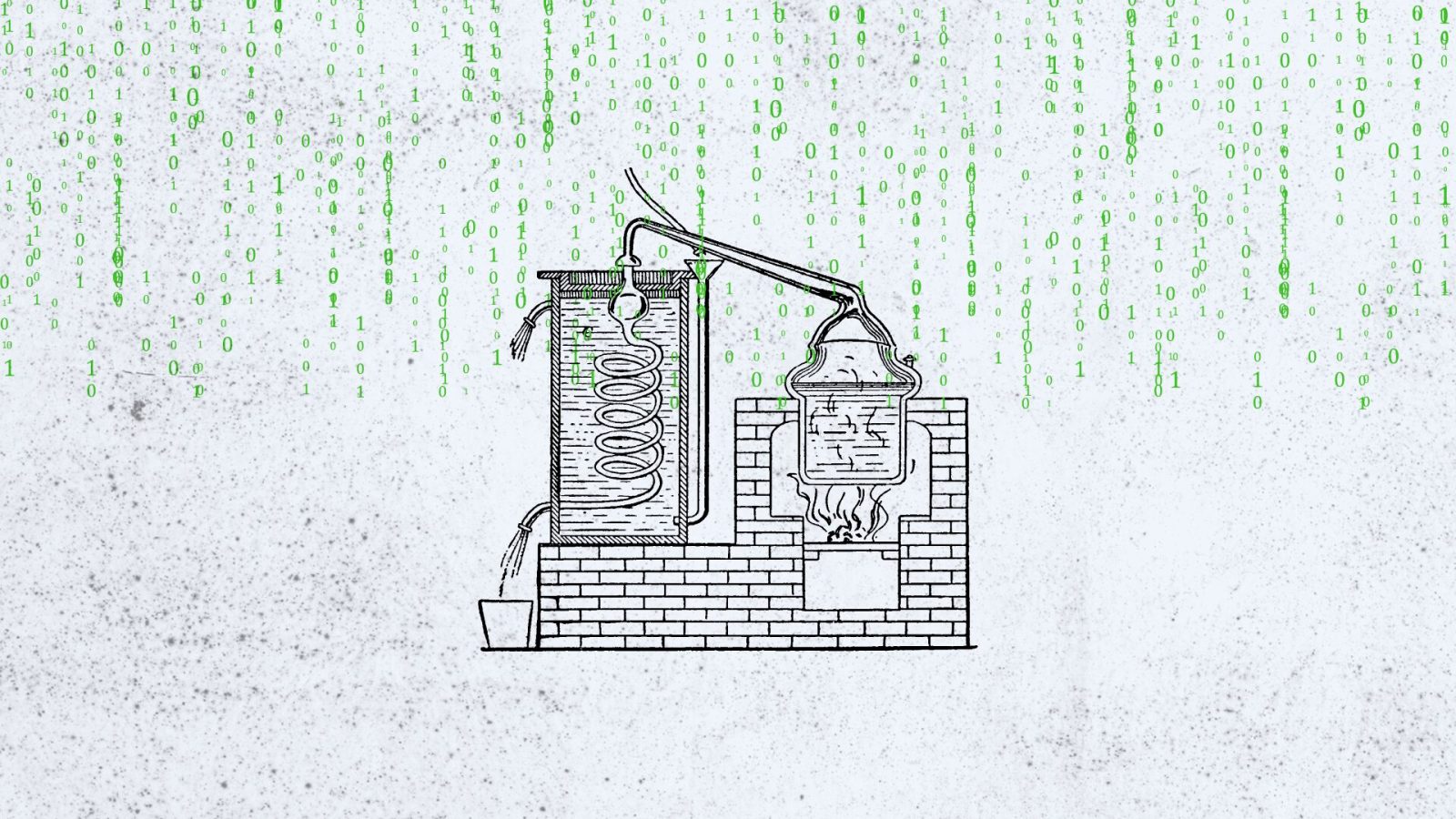
The term 'distillation' has become prominent following accusations that the Chinese startup Moonshot allegedly plundered an American model using this technique. This article aims to clarify the nuances surrounding this concept in artificial intelligence. AI distillation is a method where a smaller, more efficient model is trained to mimic the behavior of a larger, more complex model. The goal is to transfer the knowledge or capabilities of the 'teacher' model to the 'student' model, resulting in a more compact and faster AI. This process is generally considered legitimate when the student model learns from the outputs or predictions of the teacher model, without direct access to its internal architecture or proprietary training data. However, the line between legitimate knowledge transfer and intellectual property theft can become blurred. Concerns arise when the distillation process potentially infringes on the intellectual property rights of the original model's creators. This can occur if the student model is trained in a way that too closely replicates the teacher model's specific responses or if the process is used to bypass licensing agreements or trade secrets. The legal and ethical implications are significant, particularly in the competitive landscape of AI development, where proprietary models represent substantial investment and innovation.
AI distillation, while a powerful technique for model compression and efficiency, highlights a critical tension between innovation and intellectual property protection. The core issue lies in defining the boundaries of 'learning' versus 'copying' in the context of complex AI models. As AI development accelerates, the incentive structures for both creating foundational models and developing derivative applications are being redefined. This situation underscores the need for clearer legal frameworks and ethical guidelines to govern the transfer of AI knowledge, ensuring that innovation is fostered without enabling the appropriation of significant R&D investments. Future regulations will likely need to address the specific mechanisms of AI training and the definition of proprietary information in the digital age, balancing the benefits of open access and efficiency with the rights of creators.
AI-generated to prompt reflection — not editorial opinion, not advice, not a statement of fact. How this works.