AI Drives Mexican Exports to US, Complicating Trump's Trade Agenda
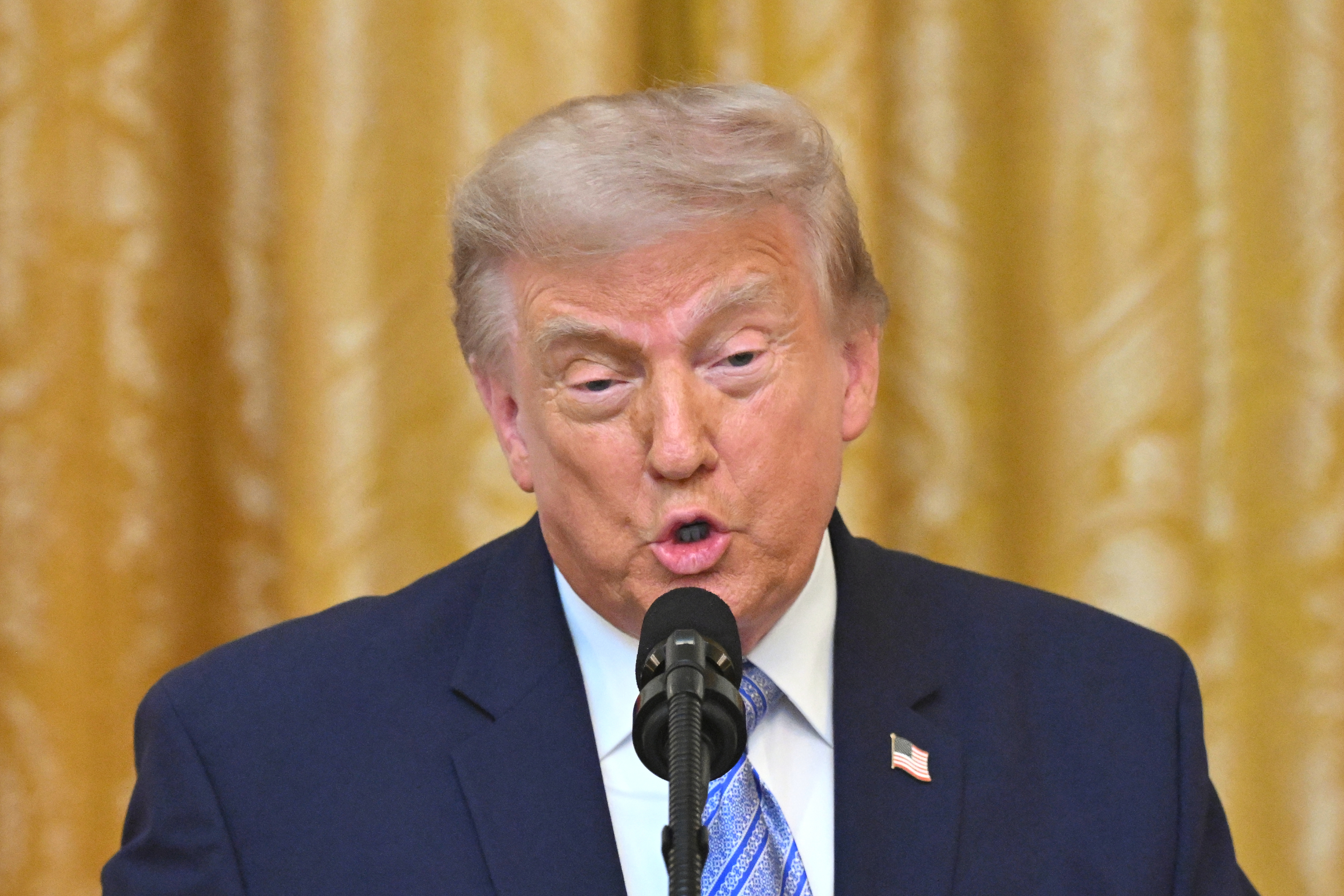
The advancement of artificial intelligence (AI) in the United States has significantly boosted Mexico's high-tech equipment exports, creating a complex situation for the Trump administration's trade policies. President Donald Trump has been seeking to renegotiate the North American Free Trade Agreement (T-MEC) to reduce the U.S. trade deficit with Canada and Mexico. However, the surge in Mexican exports, particularly in computing equipment driven by AI demand, is having the opposite effect, widening Mexico's trade surplus and intensifying tensions ahead of new T-MEC negotiations. From January to April, Mexico tripled its sales of these AI-related equipment to the U.S. compared to the same period in 2025, exceeding $50 billion. This sector now accounts for over 30% of Mexico's exports to the U.S., surpassing the automotive industry. Diego Flores, head of electronic and digital industries at Mexico's Ministry of Economy, highlighted that this growth is largely due to demand from the advanced electronics industry linked to AI, including processing units and data center equipment. Jalisco, known as Mexico's "Silicon Valley," is a major export hub, hosting global companies like Foxconn, which assembles AI chassis and is a strategic partner to Nvidia. Foxconn announced significant investments to double its production capacity in Mexico. Other companies like Flextronics are also expanding production to meet the surging demand. This growth occurs amidst political uncertainty, with the Trump administration's annual reviews of the T-MEC and its push for more U.S.-based manufacturing, despite increasing reliance on imports for AI development. Economists note that tariffs could hinder the U.S. goal of maintaining a leading position in AI development, creating a challenge for the administration to balance technological advancement with protectionist rhetoric.
AI-driven demand for advanced computing hardware is creating a complex dynamic for U.S. trade policy. While the U.S. seeks to reduce trade deficits and encourage domestic manufacturing, the rapid growth of AI necessitates imports of specialized components and assembly, often sourced from countries like Mexico. This reliance highlights a potential contradiction between protectionist goals and the imperative to foster innovation in critical technological sectors. The U.S. government faces the challenge of balancing national security and economic interests with the globalized nature of advanced technology supply chains. Future trade strategies may need to account for the systemic dependencies created by rapidly evolving technologies like AI, potentially shifting focus from traditional trade balance metrics to the resilience and competitiveness of domestic innovation ecosystems.
AI-generated to prompt reflection — not editorial opinion, not advice, not a statement of fact. How this works.