AI Empowers Grassroots Creators in China's Film Industry
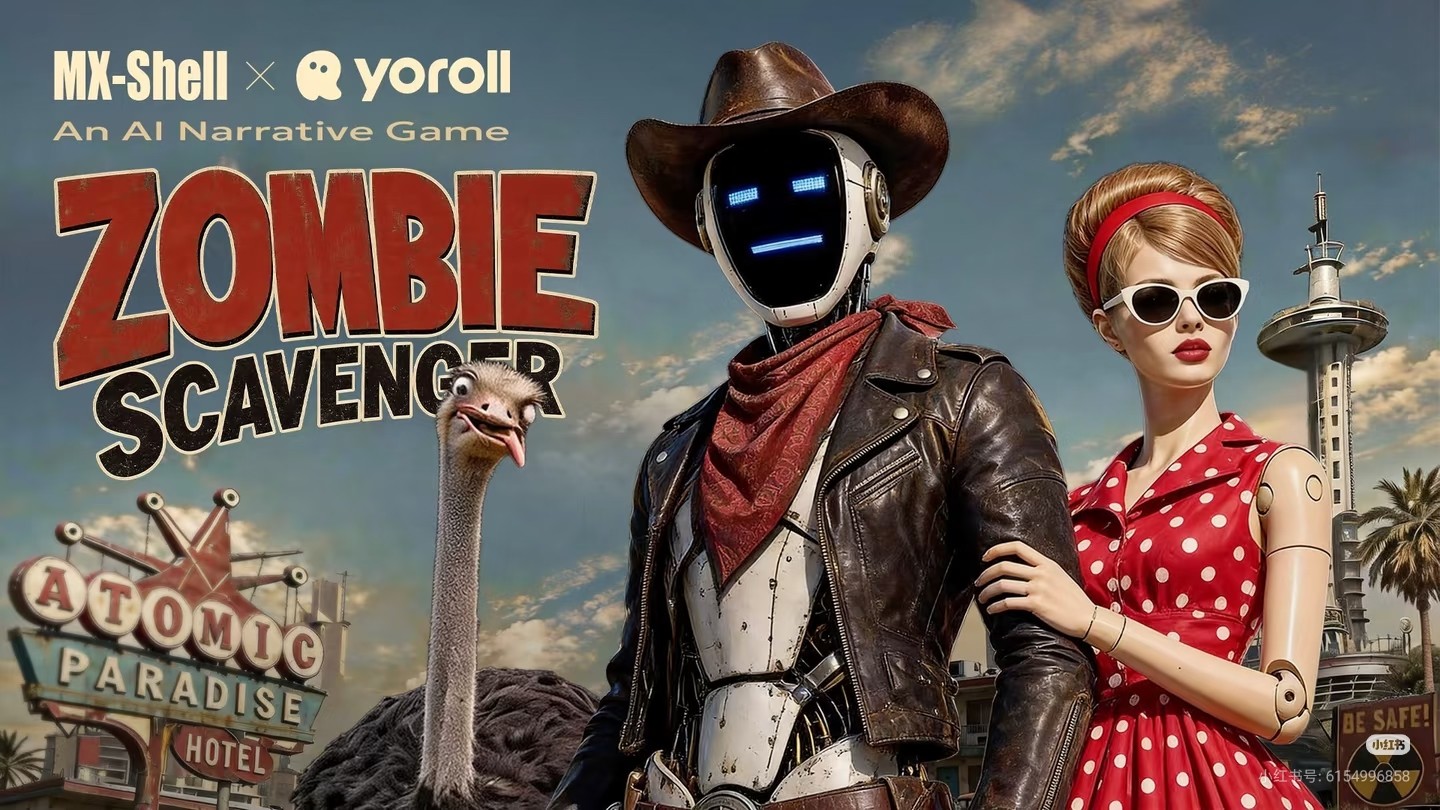
A new wave of grassroots creators, often with non-traditional backgrounds, are achieving significant success in China's film industry by leveraging Artificial Intelligence. Liu Ziyu, a vocational school graduate from Yunnan, gained international attention and a Hollywood offer for his AI-generated short film "Zombie Cleaner," which surpassed 100 million views online. Similarly, Meng Ke, born in 2004, won Best AI Director at the Beijing Film Festival for his AI short film "Mold," created in an internet cafe. These individuals, along with others like Liu Chi and Sun Jintao, highlight how AI is democratizing filmmaking, enabling smaller teams or even individuals to produce content that previously required large, expensive crews.
The traditional film industry, characterized by high costs, long production cycles, and reliance on established stars and directors, is being disrupted by AI. AI tools significantly reduce production costs and streamline the creative process, allowing for faster iteration and experimentation. While some established industry professionals express skepticism or disdain towards these AI-driven creators, their rapid output and ability to bypass traditional gatekeepers are undeniable. The success of AI-generated films like "Zombie Cleaner" and "Mold" demonstrates a shift in the industry, where AI is not just a tool but a catalyst for new talent and narratives.
These emerging AI directors emphasize the importance of human creativity in guiding AI tools, focusing on nuanced storytelling, aesthetic vision, and emotional depth rather than just technical execution. Despite the growing capabilities of AI models, creators like Liu Chi and Sun Jintao acknowledge that certain aspects, such as consistent character portrayal and emotional resonance, still benefit from human direction and even live-action elements for high-impact productions. As AI technology continues to advance, its integration into filmmaking is expected to accelerate, potentially leading to new forms of content and business models, with tech giants like ByteDance positioning themselves as key players in the future of AI-native intellectual property.
The rise of AI-generated content in China's film industry signifies a profound shift in creative production, challenging traditional industry structures and gatekeepers. AI tools are dramatically lowering barriers to entry, empowering individuals from non-traditional backgrounds to create and distribute compelling visual narratives. This democratization of filmmaking presents an opportunity for diverse voices and innovative storytelling, potentially leading to a richer and more varied media landscape. However, the industry faces the challenge of discerning genuine artistic merit from novelty, as the initial "AI shock" fades. The long-term sustainability of AI-driven content will likely depend on its ability to resonate emotionally and intellectually with audiences, moving beyond technical prowess to deliver meaningful human experiences. As AI becomes more accessible, the focus will inevitably shift from the tool itself to the quality of the creative vision and execution, prompting a reevaluation of what constitutes valuable artistic labor in the digital age.
AI-generated to prompt reflection — not editorial opinion, not advice, not a statement of fact. How this works.