AI Era: Creative Arts Education Still Vital, Not Obsolete
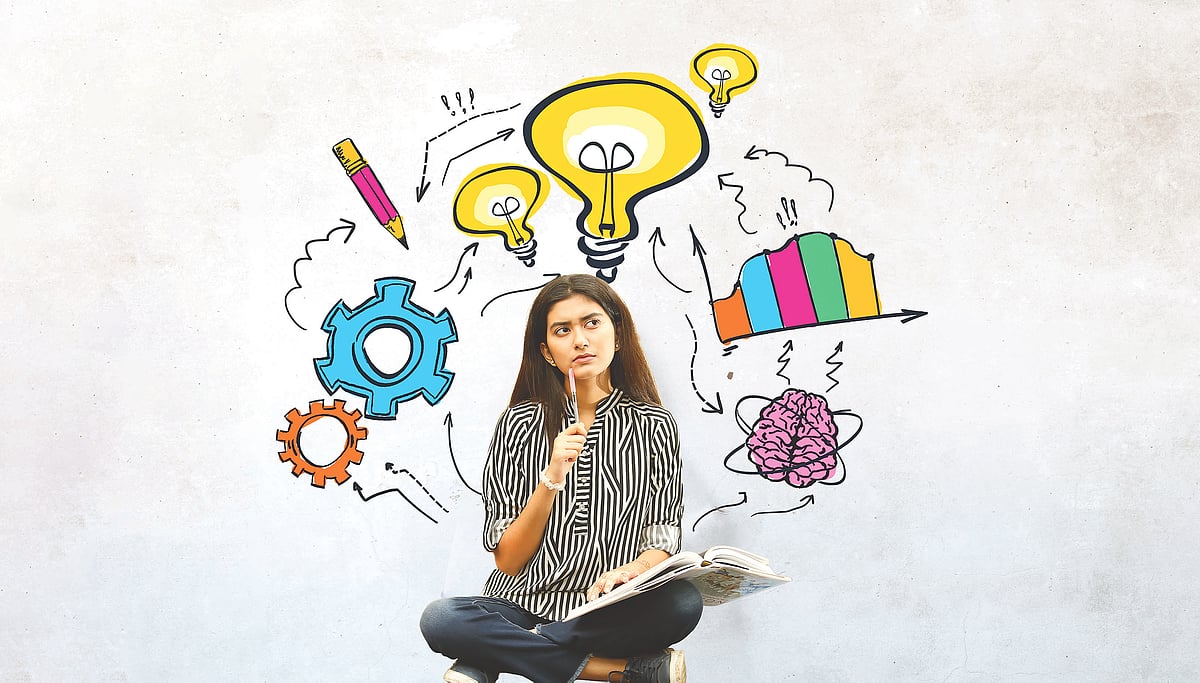
Amidst the rapid rise of AI tools like ChatGPT and Midjourney, concerns are growing about the future relevance of creative arts education. Many fear that as AI takes over tasks like writing and image generation, fields such as fine arts, music, and drama may lose their importance, leaving graduates without viable career paths. However, this perspective overlooks the unique human elements that AI cannot replicate. While AI can process vast datasets to create technically perfect outputs, it lacks genuine emotion, lived experience, and the capacity for subjective feeling. The subtle nuances of an artist's brushstroke, the raw emotional impact of a live actor's performance, or the profound connection fostered by art—these are inherently human qualities that AI cannot simulate. True art, as described by thinkers like Leo Tolstoy, serves to transmit human emotion and foster empathy, a function that AI cannot fulfill. Furthermore, AI can provide information but cannot teach the essence of being human, a lesson best learned through the practice of art and culture.
The article criticizes the societal emphasis in Bangladesh on pursuing careers in medicine, engineering, or civil services, leading to a de-emphasis on humanities and arts. This focus, it argues, contributes to a society that is becoming increasingly robotic and less empathetic. The author stresses that fostering empathy and humanity is crucial for societal well-being, and this is best achieved through engagement with arts and culture. In contrast, developed nations are increasingly integrating arts into their educational frameworks. Institutions like MIT and Harvard have shifted from STEM to STEAM (Science, Technology, Engineering, Arts, and Mathematics), recognizing that aesthetic design and creative thinking are essential for product innovation and market success. Leading companies like Google and Apple actively seek individuals with backgrounds in arts, psychology, and theater, understanding that while AI can handle technical tasks, creative ideation remains a human domain.
Despite the growing importance of creative fields globally, students in Bangladesh often lack essential technical skills and modern research methodologies required for the international market. The current educational system is criticized for being too traditional, failing to equip students with advanced technological knowledge, digital tools, and effective presentation skills. This deficiency hinders their ability to compete globally. The article concludes by emphasizing that AI is fundamentally a mimic and relies on human creativity for new data. Preserving and advancing creative disciplines is vital for maintaining cultural heritage and fostering original thought. It encourages individuals to embrace their humanity and creative potential, asserting that in the age of AI, these qualities will ultimately lead to success.
The discourse surrounding AI's impact on creative fields highlights a fundamental tension between automation and human expression. While AI excels at pattern recognition and data synthesis, its outputs remain derivative, lacking the subjective experience and emotional depth that characterize genuine human creativity. The article correctly identifies that the value of arts and humanities lies not merely in technical skill but in fostering empathy, critical thinking, and a nuanced understanding of the human condition—qualities essential for societal progress and personal fulfillment. The global trend towards integrating arts into STEM (STEAM) reflects a recognition that innovation requires both technical prowess and creative ideation. However, the challenge for educational systems, particularly in regions like Bangladesh, is to balance traditional career aspirations with the cultivation of these essential humanistic skills. Future success will likely depend on individuals who can bridge the gap between technological capability and creative insight, leveraging AI as a tool rather than being supplanted by it. The emphasis should shift from rote learning to fostering adaptive, imaginative minds capable of navigating a complex, AI-augmented world.
AI-generated to prompt reflection — not editorial opinion, not advice, not a statement of fact. How this works.