AI Era Sees Rise in Eye Diseases Among Young People
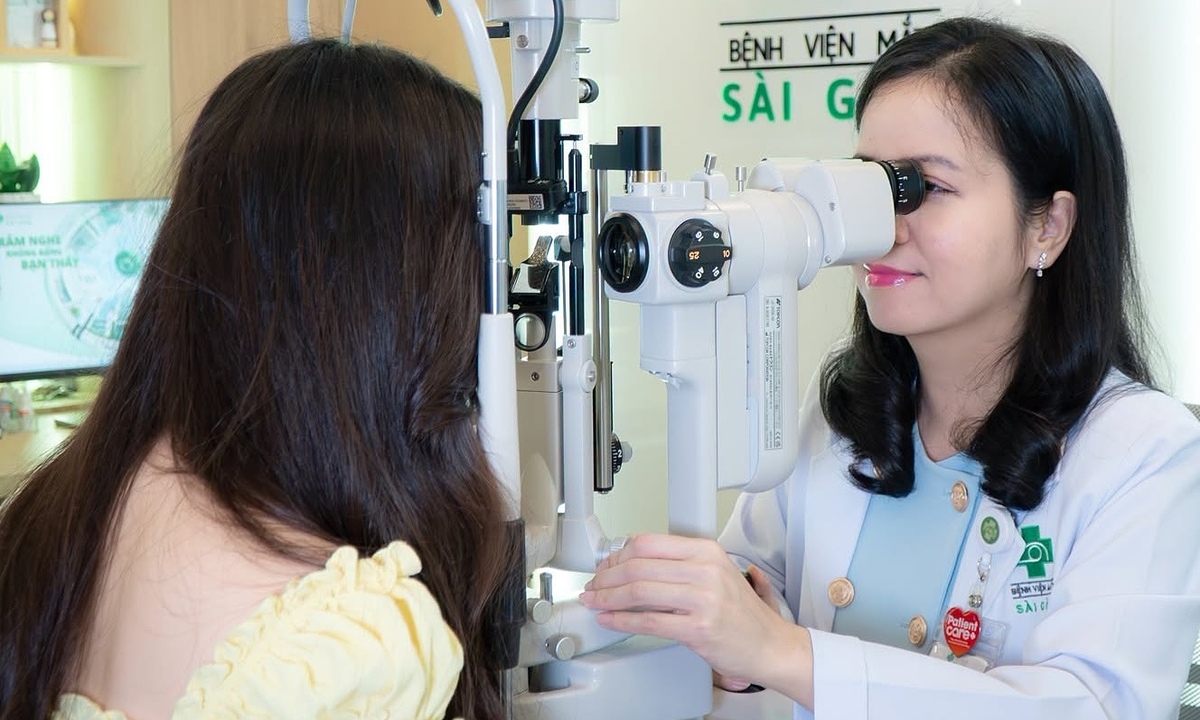
The rapid advancement of artificial intelligence (AI) and digital technologies, coupled with increased screen time, is contributing to a surge in eye conditions among young individuals. Conditions such as dry eye, eye strain, and myopia are now appearing earlier in life than previously observed. This trend highlights a growing public health concern related to the pervasive influence of technology on visual health. The prolonged engagement with digital devices, driven by both work and leisure, creates an environment where ocular health is constantly challenged. Experts are increasingly noting the correlation between extensive screen use and the early onset of these common eye ailments. This situation necessitates a closer examination of preventative measures and potential long-term impacts on the vision of younger generations. The widespread adoption of AI and digital tools, while offering numerous benefits, also presents unforeseen challenges to human well-being, particularly in the realm of sensory health. Addressing this escalating issue requires a multi-faceted approach, potentially involving public awareness campaigns, ergonomic guidelines for device usage, and further research into the specific mechanisms linking technology and eye disease.
The increasing prevalence of eye conditions in young people, linked to the proliferation of AI and digital technologies, underscores a critical societal trade-off. While technological progress offers significant advancements, it simultaneously imposes new physiological burdens. This dynamic raises questions about sustainable human-technology integration, particularly concerning the long-term health implications of prolonged digital immersion. Future strategies must balance the benefits of AI-driven innovation with robust public health interventions to mitigate adverse effects on vision and overall well-being. The challenge lies in fostering an environment where technological engagement does not compromise fundamental human health, requiring proactive adaptation in both individual habits and systemic support structures.
AI-generated to prompt reflection — not editorial opinion, not advice, not a statement of fact. How this works.