AI Firms Acquire and Destroy Antique Books for Model Training
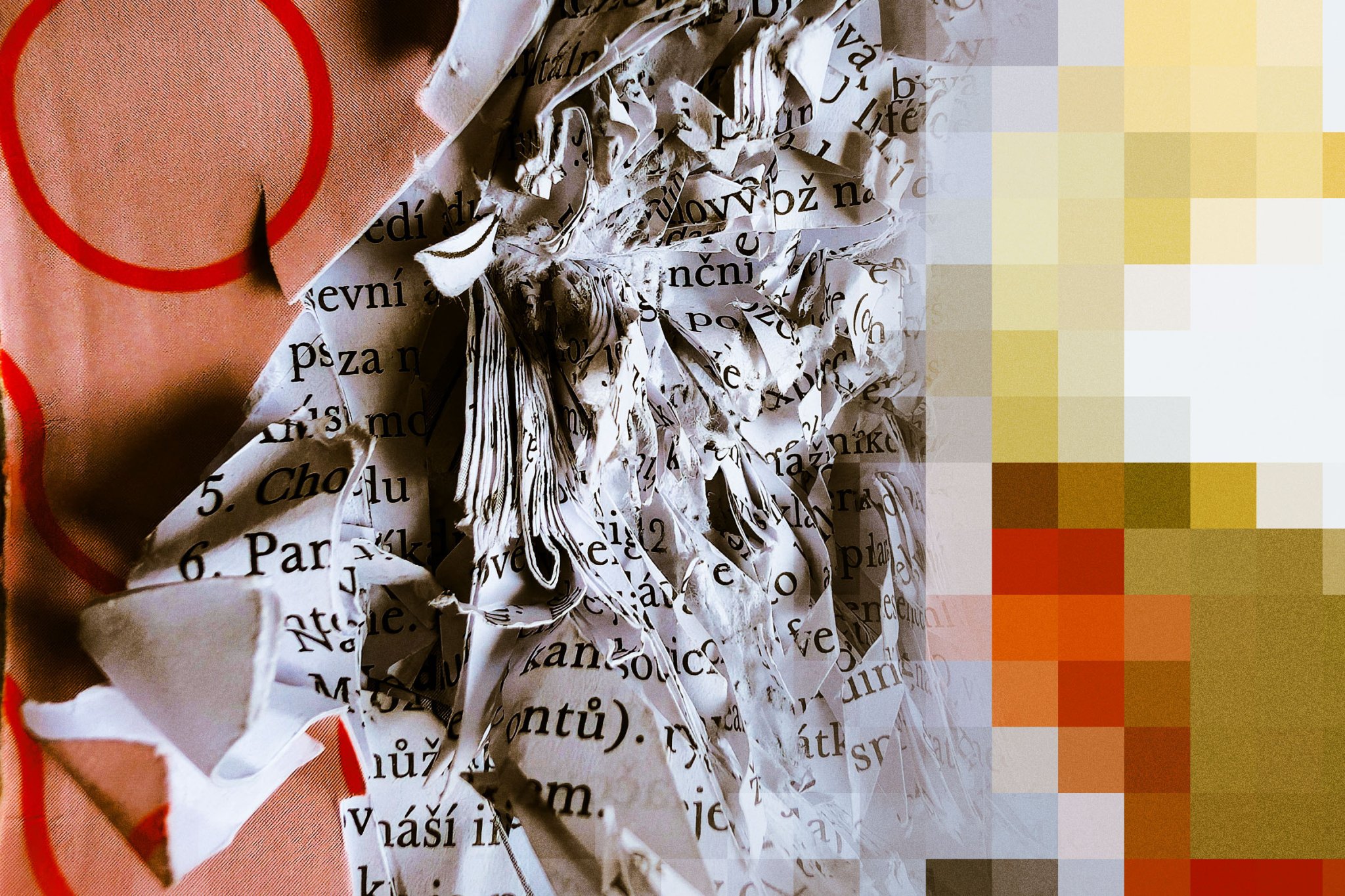
Artificial intelligence companies are reportedly purchasing antique books, extracting their content for training AI models, and subsequently destroying the physical copies at a significant scale. This practice has been described as a method to access unique and high-quality training data that is not readily available digitally. The process involves digitizing the books, using the text and images to refine AI algorithms, and then disposing of the original materials. This approach raises concerns about the preservation of cultural heritage and the long-term implications of such data acquisition strategies. The motivation behind this practice appears to stem from the perceived value of older texts as a source of diverse and nuanced information, potentially less contaminated by modern digital biases. However, the destruction of these artifacts, regardless of their condition, represents a permanent loss of historical documents. The scale of this activity is described as 'incredible,' suggesting a widespread and potentially impactful trend within the AI industry.
AI companies' acquisition and destruction of antique books for training data highlights a tension between technological advancement and cultural preservation. The practice underscores the immense demand for diverse datasets in developing sophisticated AI, particularly for tasks requiring nuanced language understanding or historical context. While the digitization process offers a method to leverage unique content, the irreversible destruction of original artifacts raises questions about the sustainability and ethical considerations of data sourcing. Future AI development may need to explore models that can learn from existing digital archives or develop less destructive methods of data acquisition to balance innovation with the safeguarding of cultural heritage.
AI-generated to prompt reflection — not editorial opinion, not advice, not a statement of fact. How this works.