AI-Generated Art Sparks Debate Over Authenticity and Artist Verification
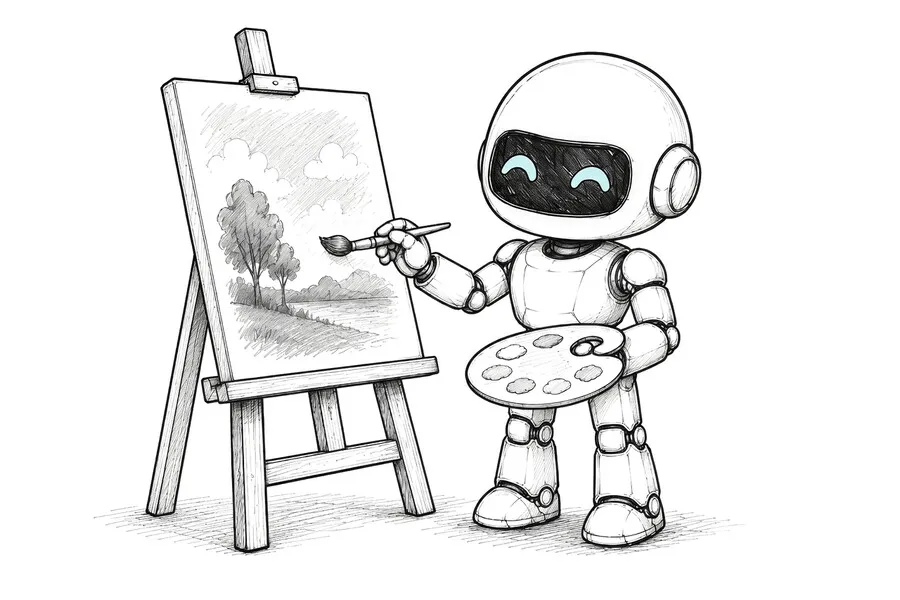
A surge in art created using artificial intelligence has led to widespread suspicion and debate within the art community. Artists are increasingly facing accusations that their work was generated by AI, even when they have proof of their original creation process. This phenomenon, often referred to as 'click art' due to the ease of generation, is causing significant distress for human artists. They report being doubted even after providing evidence of their manual efforts, such as sketches, process videos, and preliminary drafts.
The ease with which AI can produce visually appealing images has blurred the lines between human and machine creativity. This has created a challenging environment for artists who invest significant time, skill, and effort into their craft. The lack of clear distinction and the prevalence of AI-generated content are leading to a crisis of trust, where genuine artistic endeavor is met with skepticism. The art world is grappling with how to address this challenge, including the potential need for new methods of verification and recognition for human artists.
AI-generated imagery presents a complex challenge to traditional notions of artistic authorship and value. As AI tools become more accessible and sophisticated, distinguishing between human-created and machine-generated art becomes increasingly difficult, potentially devaluing human labor and skill. This situation highlights a systemic tension between technological advancement and the established frameworks for intellectual property and artistic recognition. Future developments may necessitate new verification mechanisms or a redefinition of artistic merit in an era where generative AI is a prevalent creative force. The economic and cultural implications for artists, galleries, and the art market require careful consideration to ensure fair compensation and continued support for human creativity.
AI-generated to prompt reflection — not editorial opinion, not advice, not a statement of fact. How this works.