AI-Generated Bird Images Threaten Ornithological Research Credibility
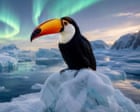
Experts are raising alarms about the proliferation of AI-altered images on birdwatching forums, which is jeopardizing the integrity of scientific research. These enhanced photographs are creating fraudulent sightings, undermining the credibility of a valuable tool used by scientists. For many birdwatchers, documenting a species outside its typical geographic distribution is a significant achievement, often garnering national attention in countries like the UK. An example cited is the western reef heron, typically found in Africa and southern Europe, which was reportedly spotted in north Wales in June, sparking widespread celebration on birding platforms. However, this practice of submitting manipulated images, referred to as 'AI slop,' poses a serious risk to the accuracy of bird distribution data and conservation efforts. The ease with which these images can be created and disseminated online necessitates a robust response to maintain the trustworthiness of citizen science contributions.
AI-generated imagery presents a novel challenge to citizen science initiatives, particularly in fields like ornithology where visual documentation is critical. The ease of digital manipulation, amplified by AI tools, can undermine the verifiable nature of observations, potentially leading to misallocated conservation resources or flawed ecological studies. This situation highlights a broader systemic vulnerability where technological advancements outpace established verification protocols. Future efforts may need to incorporate advanced digital forensics or blockchain-based solutions to ensure the provenance and authenticity of submitted data, thereby safeguarding the scientific value derived from public participation in research.
AI-generated to prompt reflection — not editorial opinion, not advice, not a statement of fact. How this works.