AI-generated 'Bolsonaros' campaign on social media, even against his son
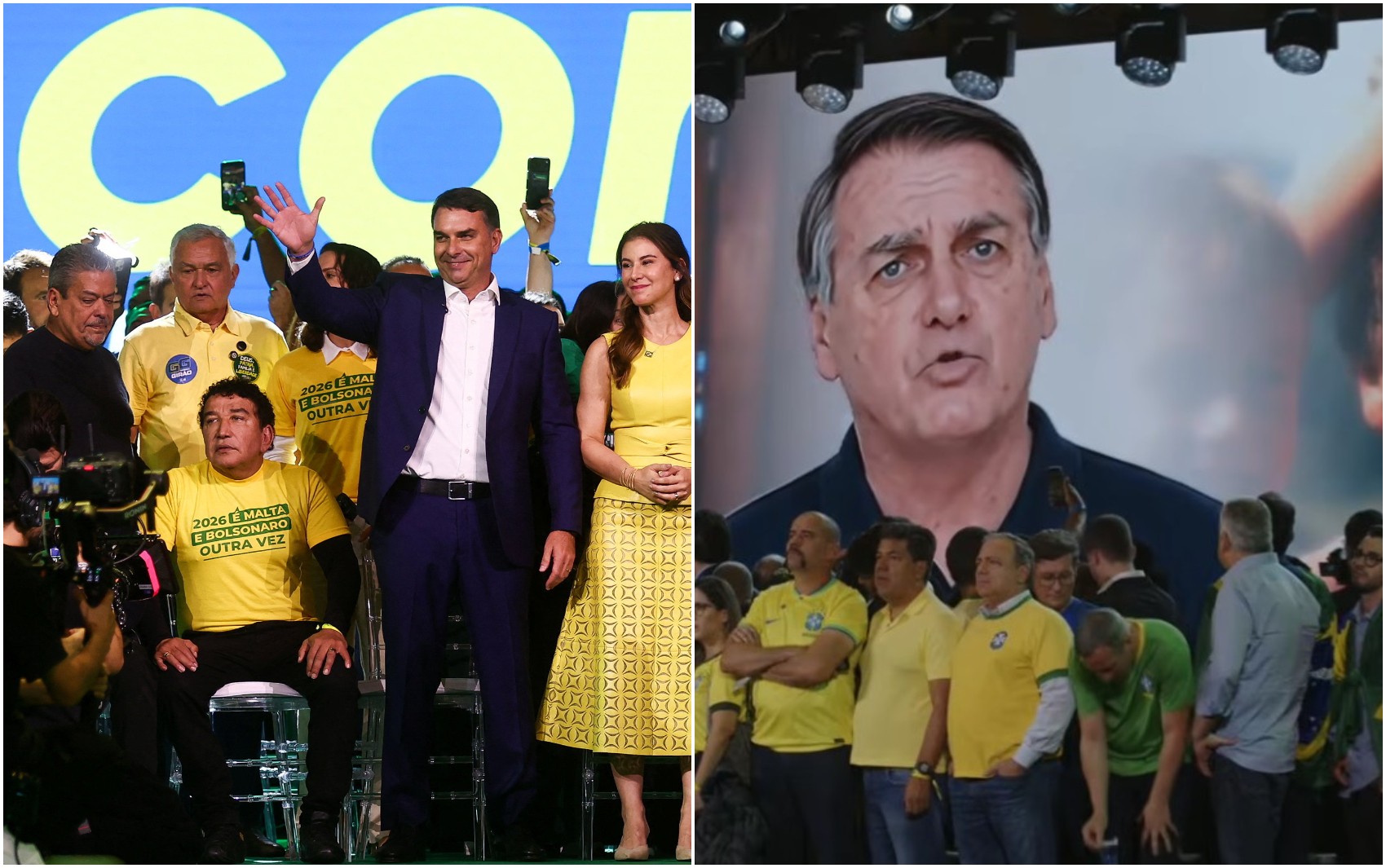
Artificial intelligence is being used to create realistic videos of former Brazilian President Jair Bolsonaro, known as deepfakes, to influence voters on social media platforms like TikTok. These AI-generated videos depict Bolsonaro making various statements, including pleas for election support, endorsements of his son Flávio Bolsonaro, and even criticisms against him. One such video was officially used by Flávio Bolsonaro during the PL party convention to launch his presidential candidacy, where an AI avatar of his father asked for support. The use of these deepfakes has raised legal questions regarding electoral propaganda, especially since Jair Bolsonaro is currently under house arrest and prohibited from using social media. Electoral law experts are divided on whether these AI-generated videos constitute illegal pre-campaign propaganda, with some arguing that any use of deepfakes in an electoral context is already an offense, while others believe the current regulations are unclear for the pre-campaign phase. The Superior Electoral Court (TSE) is reviewing a complaint filed against the PL party and Flávio Bolsonaro for the use of the deepfake video at the convention. Adding to the complexity, Supreme Court Justice Alexandre de Moraes has ordered an investigation into whether Jair Bolsonaro authorized the use of his image and voice for the convention video, given his existing legal restrictions. Bolsonaro's defense has stated that he did not authorize the video, citing his inability to communicate with his son due to visitation restrictions.
AI-generated content, or deepfakes, are emerging as a potent tool in political campaigns, blurring the lines between authentic and fabricated endorsements. This case highlights the challenge for electoral authorities in adapting existing regulations to rapidly evolving technologies. While some legal interpretations suggest that any use of deepfakes in an electoral context is inherently illegal, others point to ambiguities in pre-campaign rules. The situation also underscores the complex interplay between legal restrictions on individuals and the potential for their likeness to be manipulated. As AI capabilities advance, the capacity for sophisticated misinformation campaigns will likely increase, necessitating a proactive and adaptable regulatory framework to safeguard democratic processes and public trust.
AI-generated to prompt reflection — not editorial opinion, not advice, not a statement of fact. How this works.