AI-Generated Fake Doctors Spread Misinformation for Supplement Sales
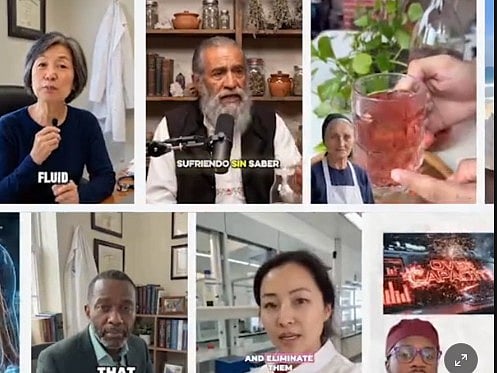
A growing trend on social media involves the use of artificial intelligence (AI) to create fake doctors, health experts, and influencers who disseminate misleading health information to sell health supplements. These AI-generated characters, designed to appear human, promote products by claiming miraculous cures for various ailments. An investigation by The New York Times uncovered hundreds of such advertisements, where AI personas are meticulously crafted to resemble credible medical professionals, complete with white coats, stethoscopes, and diplomas, making them difficult for the average user to distinguish from real doctors. These advertisements often present food supplements as effective solutions for diseases, particularly targeting women over 40 and elderly users, making unsubstantiated health claims that lack reliable scientific evidence and can sometimes be harmful. Marketing firms worldwide are reportedly producing thousands of these AI-generated videos daily at low cost, spreading unregulated food supplements and establishing AI as a new vector for health misinformation. One 71-year-old American, Pamela Undro, purchased a Moringa-based supplement from the brand Roseabella after seeing an AI-generated advertisement on Facebook. Despite her autoimmune condition, she experienced a decline in her health while using the supplement, which was later found to contain Salmonella by the FDA and CDC in February. Roseabella's parent company, Ambrosia Brands, did not respond to requests for comment. The AI videos often use familiar settings like American flags or modern medical offices to enhance believability, with characters posing as doctors or alternative medicine specialists. Similar AI personas are also being used to advertise toys, cosmetics, and electronics, with content creators earning commissions through affiliate links. A Chinese marketing firm, for instance, creates around 1,200 AI-generated videos daily for TikTok shops at an estimated cost of $10 per video. While platforms like TikTok and Meta claim to remove misinformation and label AI content, the investigation highlights that regulatory measures lag significantly behind AI advancements. The absence of specific federal laws in the U.S. to regulate the use of AI-generated personas in advertising contributes to the rapid proliferation of fake health advisors online, making it increasingly challenging for consumers to discern genuine health advice from deceptive marketing.
AI-generated personas are being leveraged in marketing to bypass traditional advertising scrutiny, creating an environment where fabricated expertise can influence consumer health decisions. The low cost and scalability of AI video generation enable widespread dissemination of potentially harmful or unproven health claims, particularly targeting vulnerable demographics. This trend exposes a critical gap in regulatory frameworks, as current laws struggle to keep pace with technological advancements. The challenge lies in balancing innovation with consumer protection, ensuring that claims made by AI entities are verifiable and do not exploit public trust or health concerns. Future regulatory approaches may need to focus on transparency regarding AI-generated content and robust mechanisms for verifying health-related claims, irrespective of the source's origin, to mitigate risks in the evolving digital health landscape.
AI-generated to prompt reflection — not editorial opinion, not advice, not a statement of fact. How this works.