AI-Generated Fake Nudes of Students Surface in Buenos Aires
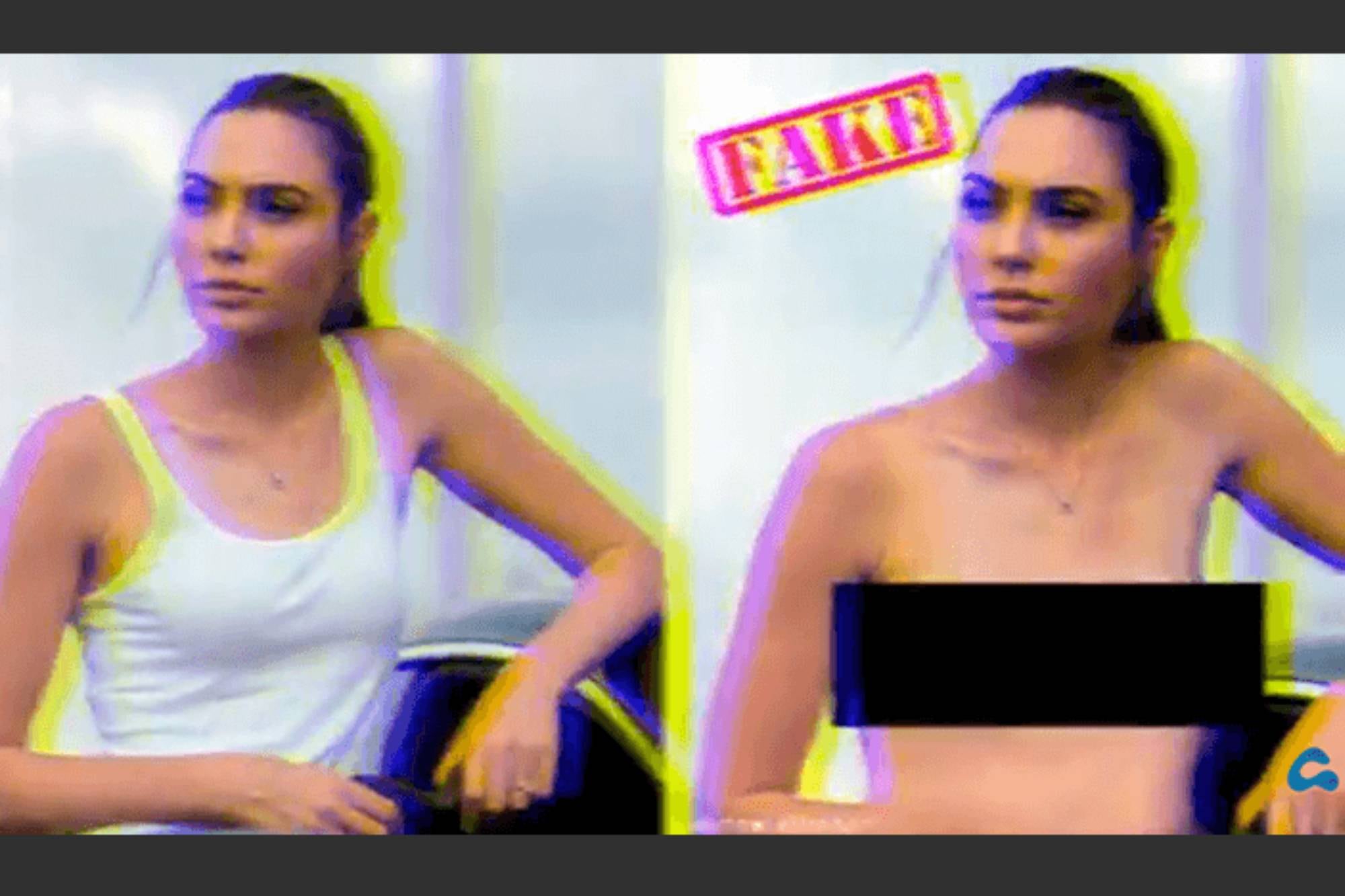
Students from Buenos Aires' National College and Carlos Pellegrini Superior School of Commerce, affiliated with the University of Buenos Aires (UBA), have reported the circulation of their images allegedly altered by artificial intelligence. These altered images, which include modifications to clothing and simulated nudity or sexual content, were reportedly taken from social media. The Specialized Prosecutor's Office for Computer Crimes (Ufedyci) has received three complaints: one individual, one from a public agency, and one anonymous. While the rectorate of the National College has not received a formal complaint, it is aware of the situation and has opened support channels for its community. Sources from Pellegrini have gathered internal information and requested intervention from the Council for the Rights of Children and Adolescents. The investigation focuses on the circulation and potential commercialization of these AI-manipulated images, with reports indicating that 10 altered photos were sold for 1000 pesos. The victims are adolescents around 14 years old, and the full extent of the victim count is unknown as many have not informed their families. A message found at Carlos Pellegrini stated, "You can report us, but we will not stop undressing and selling them." Approximately 50 male students, mostly in their second year, are reportedly involved, raising implications for their families due to their age. Ufedyci noted the rise in such digital manipulations facilitated by AI and highlighted a legislative gap in addressing their penal and commercial aspects. School protocols for digital violence emphasize prevention and awareness through workshops and teacher training, recognizing this as an escalating challenge requiring sustained community involvement.
AI-powered image manipulation presents a significant challenge to digital safety and privacy, particularly for minors. The ease with which realistic alterations can be made, including the creation of non-consensual explicit content, outpaces current legal frameworks designed to address such harms. This incident underscores the urgent need for updated legislation that specifically targets the creation, distribution, and commercialization of AI-generated deepfakes, especially those involving minors. Educational institutions and families must collaborate on robust prevention strategies, fostering digital literacy and critical engagement with online content. The systemic response must balance accountability for perpetrators with support for victims, while also exploring technological solutions for detection and mitigation. Looking ahead, the proliferation of generative AI necessitates a societal re-evaluation of consent, privacy, and the ethical boundaries of digital media creation.
AI-generated to prompt reflection — not editorial opinion, not advice, not a statement of fact. How this works.