AI-Generated Image of Dog Protecting Baby After Venezuela Earthquake Deemed Fake
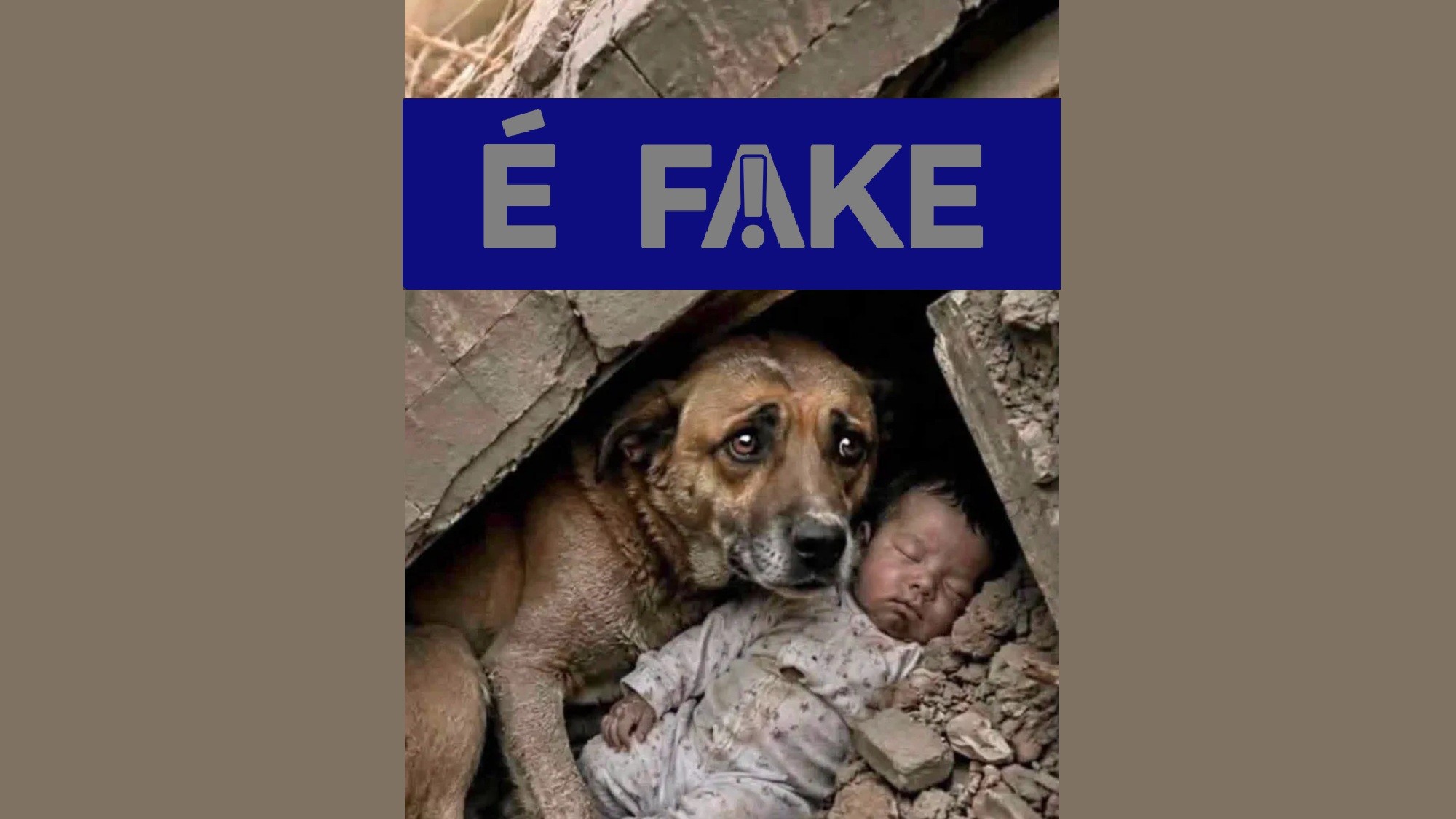
A widely circulated image purportedly showing a dog shielding a baby amidst earthquake rubble in Venezuela has been identified as fake. The photograph, which gained traction on social media platforms like Facebook, Instagram, and X starting June 26, depicts a caramel-colored dog lying under concrete debris, seemingly protecting a sleeping baby whose face and clothes are covered in dirt. The scene is surrounded by construction remnants, including wood, bricks, and stones, with Portuguese text overlayed stating the image of the dog protecting the child after the Venezuela earthquake has moved the world. An emoji of a yellow face hugging a red heart is also present in the upper left corner.
Investigations by 'O Fato ou Fake' utilized OpenAI's AI detection tool, which flagged the content as synthetic, indicating it was generated by AI. The tool reported 'SynthID detected' and 'Content credentials not detected.' SynthID is a technology that embeds an imperceptible watermark in AI-generated images for identification. Further analysis using Google Fact Check Tools revealed that the earliest versions of the image appeared on June 26 in Facebook groups praying for Venezuela. While initial posts contained AI generation disclaimers, these were lost during subsequent republications. Venezuela authorities reported that a double earthquake had caused over 3,500 deaths, 16,740 injuries, and left 17,854 people displaced.
AI-generated imagery is increasingly sophisticated, capable of evoking strong emotional responses by depicting heartwarming or tragic scenarios. This instance highlights the critical need for robust content authentication mechanisms as synthetic media can be easily disseminated to exploit public sentiment, particularly in the context of real-world tragedies. The rapid spread of this fabricated image, despite originating from a country experiencing a severe natural disaster, underscores the potential for misinformation to amplify distress and divert attention from factual reporting. Verifying the provenance of visual content, especially during crises, remains paramount to maintaining an informed public discourse and preventing the manipulation of empathy.
AI-generated to prompt reflection — not editorial opinion, not advice, not a statement of fact. How this works.