AI-generated influencers are marketing products to consumers, often deceptively
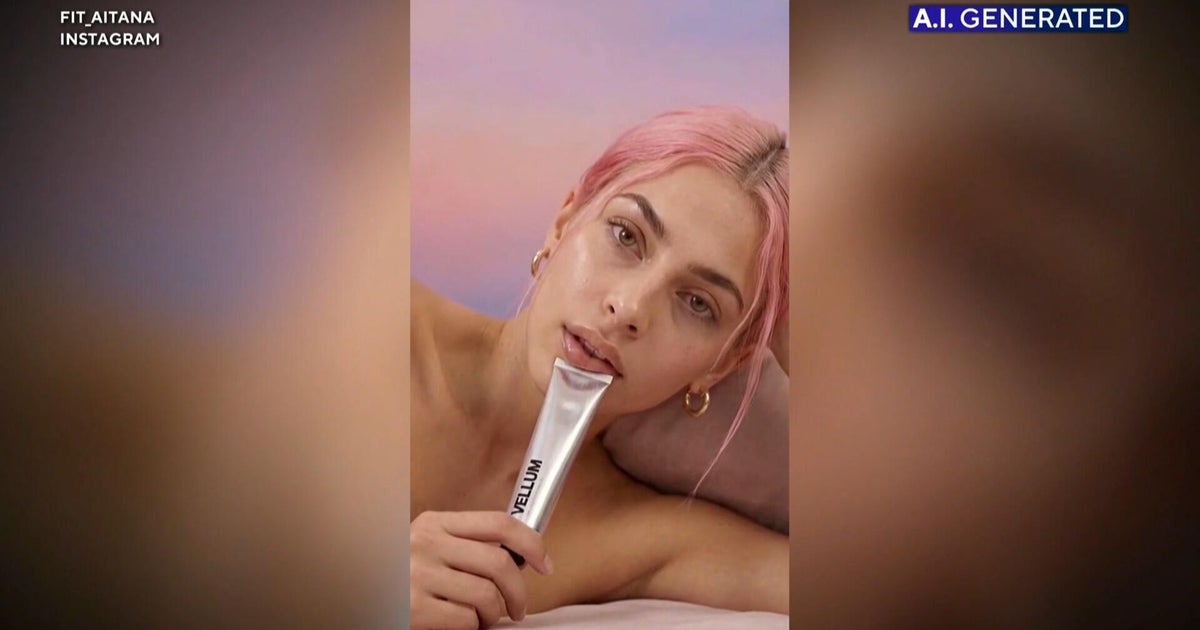
Artificial intelligence is increasingly being used to create virtual influencers whose faces appear on social media feeds. Brands are actively investing in these AI-generated personalities to market their products to consumers. However, the promotion of goods by these AI influencers can often be deceptive, raising concerns about transparency and consumer trust. Shanelle Kaul has been investigating this trend.
AI-generated influencers represent a novel frontier in digital marketing, leveraging advanced technology to create highly controllable and scalable brand ambassadors. This development raises questions about authenticity and consumer perception in an increasingly digitalized marketplace. As brands adopt these tools, careful consideration of regulatory frameworks and ethical guidelines will be crucial to ensure transparency and prevent potential deception. The long-term impact on consumer trust and the evolution of influencer marketing will depend on how effectively these challenges are addressed, potentially reshaping the relationship between brands, consumers, and digital content creators in the coming decade.
AI-generated to prompt reflection — not editorial opinion, not advice, not a statement of fact. How this works.