AI-Generated Video of Fiery Orb in Brazil Labeled as Fake
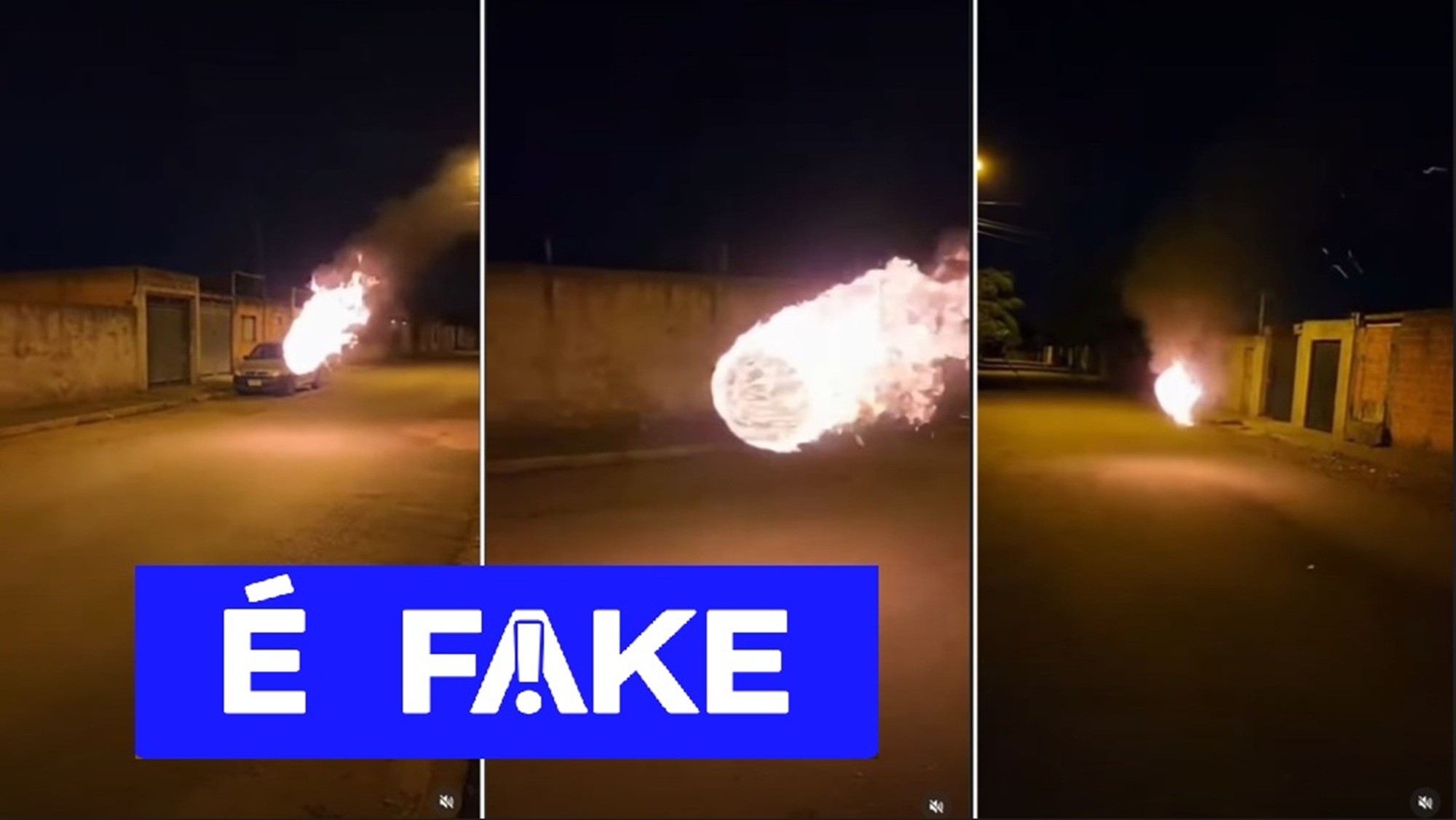
A video circulating on social media, purportedly showing a mysterious ball of fire passing through a residential street at night in Brazil, has been debunked as artificial. The footage, which gained over 47,000 views on Instagram after being posted on July 20, depicts a glowing orb hovering near a parked car. Accompanying text falsely claimed it was a phenomenon witnessed by residents in Bahia. Fact-checking analysis revealed identical content appearing online as early as July 18, with no corroboration from reliable news outlets or official sources. The investigation traced the video to an Instagram account specializing in AI-generated content, where it was initially posted on July 18. The creator, Waleson Cardoso, confirmed via WhatsApp that he produced the video using the Sora 2 AI model, even requesting an AI-generated scenario set in Teresina. He later added a caption referencing the Brazilian folklore entity Cumacanga, opting for it over another folklore figure, 'fogo-corredor,' due to its popularity. Multiple AI detection tools, including Hive Moderation (99.9% probability), Sightengine (80%), and DetectvideoAI (77%), confirmed the video's artificial origin. Recent versions of the video have had the creator's watermark removed and continue to be shared with misleading captions.
This incident highlights the increasing sophistication of AI-generated media and its potential for widespread dissemination as authentic content. The rapid spread of the fabricated video underscores the challenges in discerning real from synthetic media, particularly when presented with compelling visuals and narratives, even those referencing folklore. The creator's explicit use of AI tools and subsequent acknowledgment, combined with robust technical verification, demonstrates the importance of digital literacy and the availability of reliable fact-checking mechanisms. As AI generation capabilities evolve, the onus will increasingly fall on platforms and users to critically evaluate content and on technology developers to create more transparent and verifiable media creation processes.
AI-generated to prompt reflection — not editorial opinion, not advice, not a statement of fact. How this works.