AI in Home Appliances: Can it Slash Your Electricity Bills?
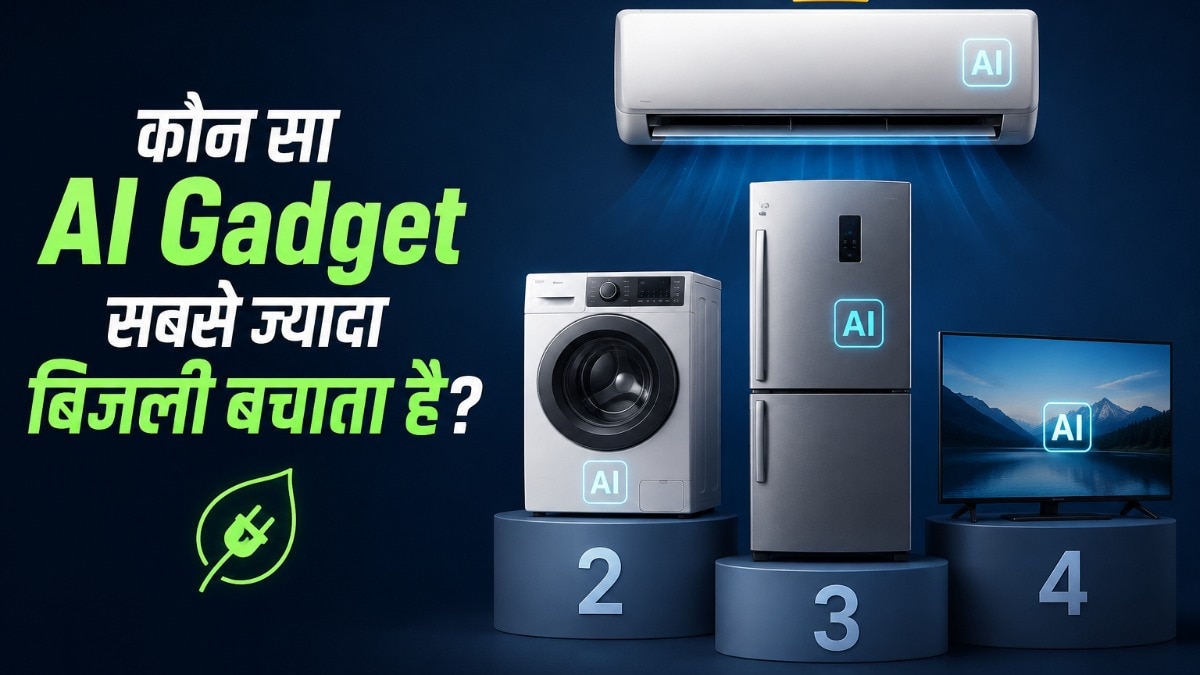
Companies are increasingly integrating Artificial Intelligence (AI) into home appliances, prompting questions about potential reductions in household electricity bills. This development signifies a growing trend where advanced technology is being applied to everyday consumer goods. The focus is on whether these AI-powered features can deliver tangible cost savings for consumers. As AI becomes more prevalent, its impact on energy consumption and utility costs is a key area of interest. The article aims to explore the practical implications of AI in appliances like air conditioners, washing machines, and refrigerators. The central question revolves around the effectiveness of these technological advancements in lowering the financial burden of electricity usage. Consumers are keen to understand if the investment in AI-enabled appliances translates into significant savings on their monthly bills. The article will delve into the specific features and functionalities that contribute to energy efficiency. Ultimately, it seeks to provide clarity on the potential of AI to make homes more economical.
AI Integration in home appliances presents a dual-edged sword regarding consumer costs and technological advancement. While manufacturers highlight potential energy savings, the initial purchase price of AI-enabled devices may offset immediate utility bill reductions. The long-term economic benefit hinges on the efficiency gains realized through AI's adaptive capabilities, such as optimizing cycles or cooling based on usage patterns and environmental conditions. Consumers face a decision balancing upfront investment against projected savings, influenced by evolving energy markets and appliance lifespans. Future iterations will likely see deeper integration, potentially leading to smart grids that dynamically manage energy distribution, further impacting household costs and the overall energy ecosystem.
AI-generated to prompt reflection — not editorial opinion, not advice, not a statement of fact. How this works.