AI Investment Prodigy Leopold Aschenbrenner's Fund Sells Holdings Amid Tech Stock Declines
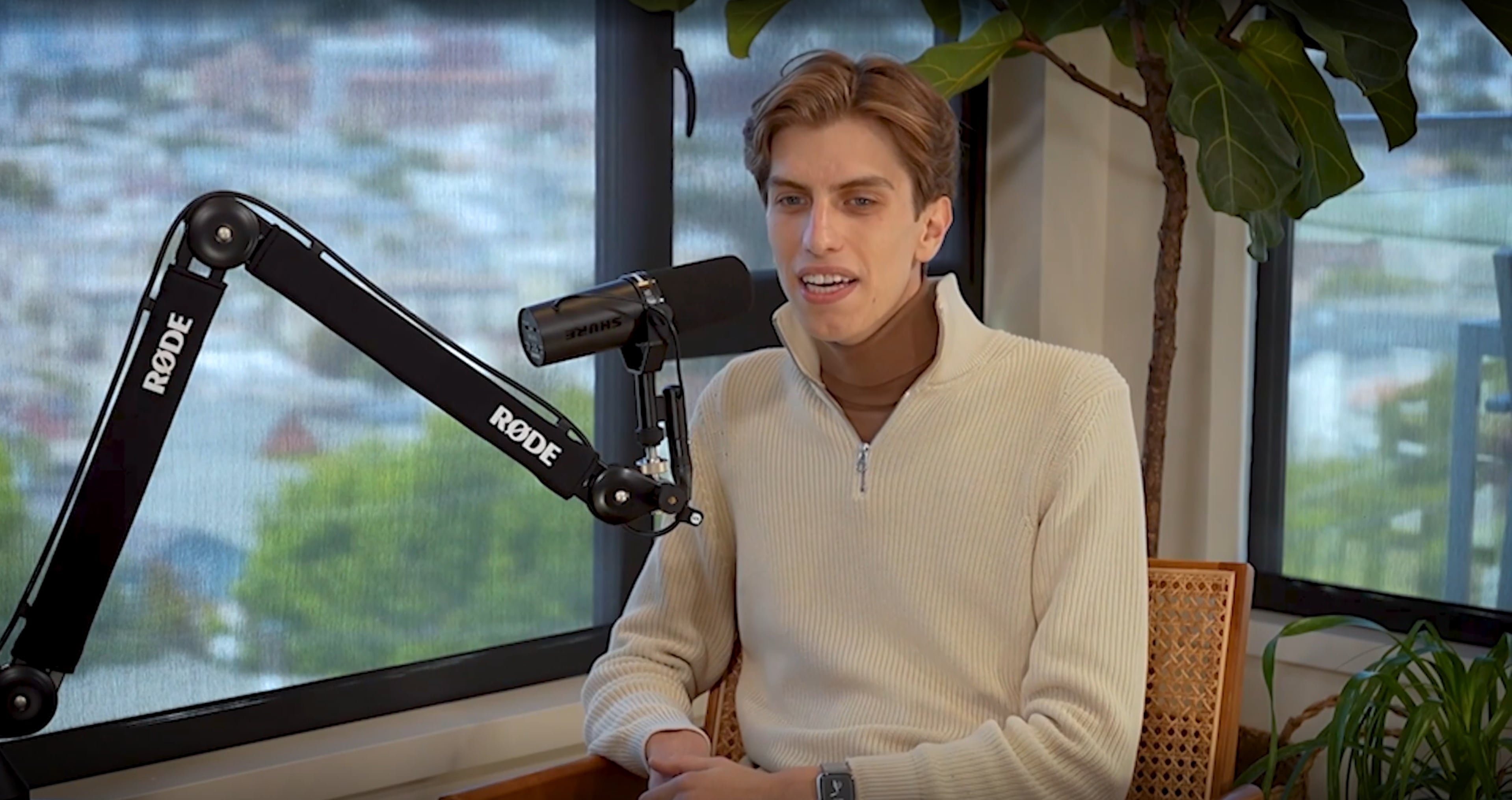
Leopold Aschenbrenner, a notable figure in AI investment, has seen his fund, Situational Awareness, divest most of its holdings. This move comes after the fund experienced a significant fivefold increase in profitability in 2026. However, the subsequent decline in technology stocks has prompted this strategic sell-off. Aschenbrenner gained prominence for his early and successful investments in artificial intelligence companies. The fund's performance in 2026 was exceptional, attracting considerable attention in the financial sector. The decision to sell off assets indicates a shift in market conditions or a proactive risk management strategy by Aschenbrenner. The broader downturn in the tech sector appears to be the primary catalyst for this action. Situational Awareness had previously built a strong portfolio centered around AI innovations. The fund's success was largely attributed to identifying and investing in promising AI startups before they reached mainstream recognition. The current market environment, characterized by falling tech valuations, has necessitated a reassessment of the fund's investment strategy.
The trajectory of Leopold Aschenbrenner's Situational Awareness fund highlights the inherent volatility within technology-focused investment vehicles, particularly those concentrating on nascent sectors like artificial intelligence. While the fund achieved remarkable gains in 2026, its subsequent need to liquidate assets underscores the sensitivity of such strategies to broader market sentiment and macroeconomic shifts. This situation prompts consideration of portfolio diversification and risk mitigation techniques, especially when investing in high-growth, high-risk areas. The rapid ascent and subsequent contraction serve as a case study in the challenges of timing market cycles and managing concentrated bets in rapidly evolving technological landscapes, suggesting that sustainable long-term growth may require a more balanced approach to capital allocation and risk exposure, anticipating both boom and bust cycles within the AI sector over the next decade.
AI-generated to prompt reflection — not editorial opinion, not advice, not a statement of fact. How this works.