AI Memory Shortage Drives Up Car Prices, GM and BYD Warn of Significant Cost Hikes
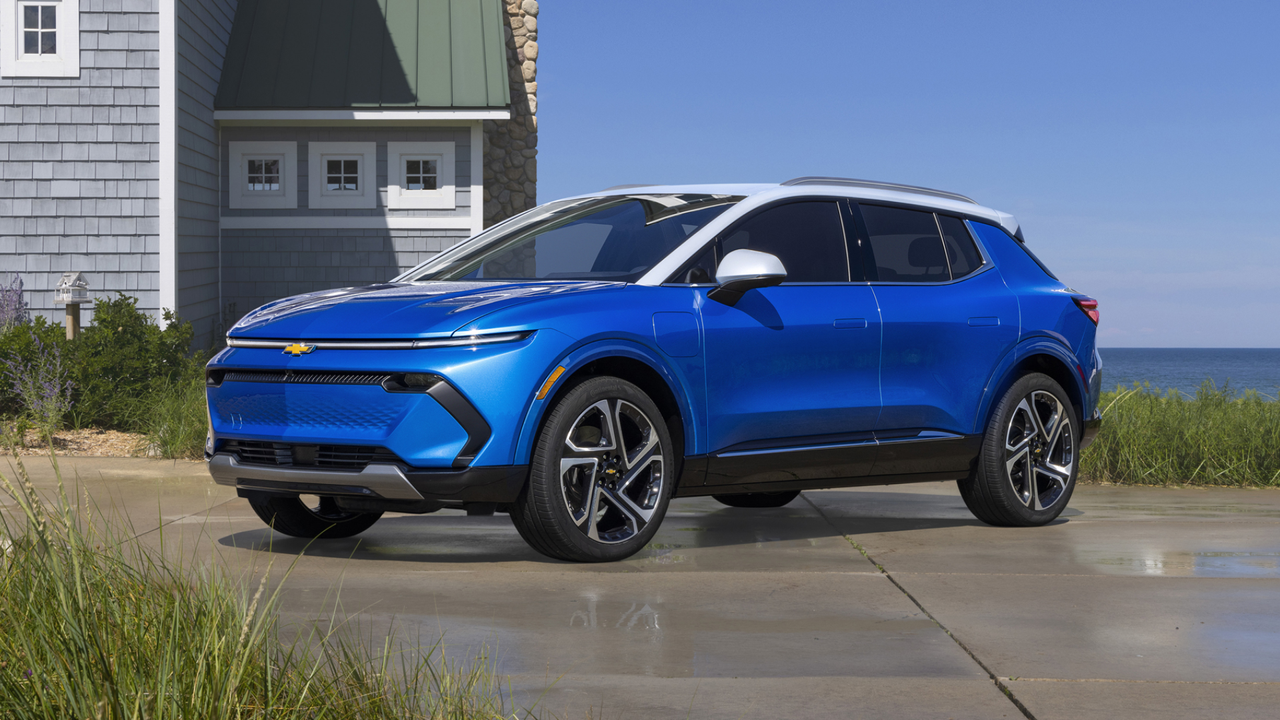
The automotive industry is facing substantial cost increases due to a shortage of memory chips, essential for modern vehicle features. General Motors' Chief Financial Officer, Paul Jacobson, stated that the company anticipates its costs to rise by $1.5 to $2 billion. This increase is primarily attributed to escalating memory chip prices. The current RAM shortage coincides with a growing demand for memory and storage within vehicles. These components are increasingly necessary to support advanced infotainment systems and driver assistance technologies, commonly known as ADAS. Chinese electric vehicle manufacturer BYD has also responded to these market pressures by increasing the prices of its driver assistance systems by 20%. The confluence of high demand for advanced automotive technology and limited supply of critical memory components is creating a significant financial challenge for automakers globally.
The escalating cost of memory chips, driven by demand from both AI applications and increasingly sophisticated automotive features like ADAS and infotainment, highlights a critical supply chain vulnerability. Automakers are caught between the imperative to integrate advanced technology for competitive advantage and the rising expense of essential components. This situation may accelerate innovation in memory management and alternative hardware solutions within the automotive sector. Furthermore, it underscores the need for strategic sourcing and potential vertical integration or partnerships to secure future supply chains, as reliance on a limited number of chip manufacturers presents systemic risk. The price adjustments by companies like GM and BYD signal a shift in market dynamics, where the cost of technological advancement is being directly passed on to consumers or absorbed at significant operational expense.
AI-generated to prompt reflection — not editorial opinion, not advice, not a statement of fact. How this works.