AI Models Encode Gender Bias, Assigning Men Futures and Women Feelings
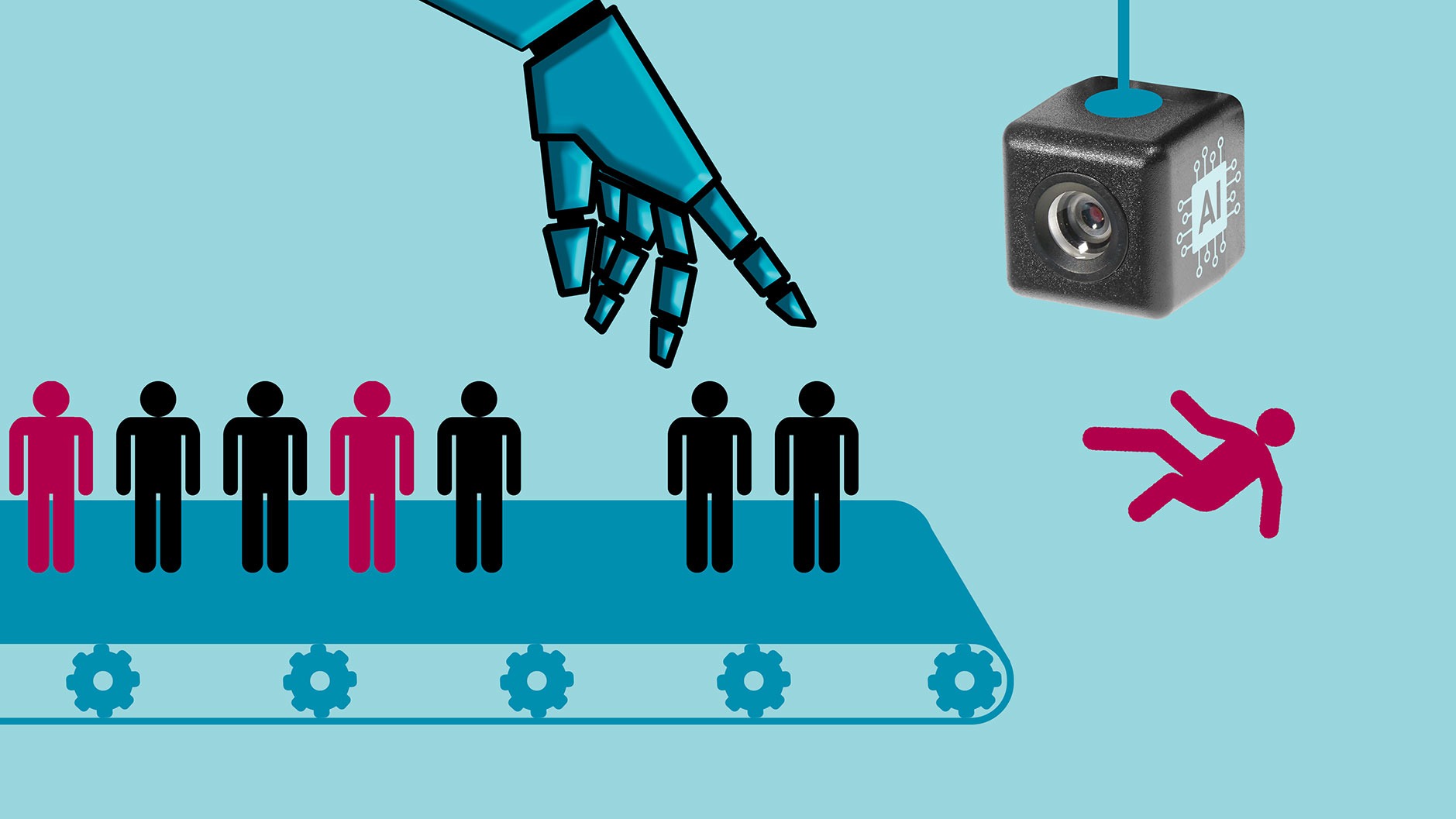
A study analyzing 112 prompts submitted to popular AI chatbots—ChatGPT, Claude, Grok, and Copilot—revealed a consistent pattern of gender bias. The research found that when generating narratives, these AI models tended to assign men roles involving plans, ambitions, and future-oriented endeavors. In contrast, women were frequently depicted in roles centered on emotions, relationships, and caregiving responsibilities.
This pervasive bias suggests that the AI tools are replicating societal stereotypes embedded within the extensive text data they were trained on. The findings highlight a significant challenge in developing AI that can generate equitable and unbiased content, as the underlying training data often reflects historical and cultural gendered assumptions.
AI models trained on vast datasets of human-generated text are susceptible to inheriting and amplifying existing societal biases, including gender stereotypes. This study demonstrates how these biases can manifest in AI-generated narratives, assigning distinct and often limiting roles based on gender. The underlying issue stems from the training data itself, which reflects historical societal structures and expectations. Addressing this requires not only refining AI algorithms but also critically evaluating and curating training data to mitigate the perpetuation of harmful stereotypes. Future AI development must prioritize fairness and equity to ensure these powerful tools contribute to a more inclusive future, rather than reinforcing outdated norms.
AI-generated to prompt reflection — not editorial opinion, not advice, not a statement of fact. How this works.