AI or Religious Leaders: Who Controls Fatwas Now?
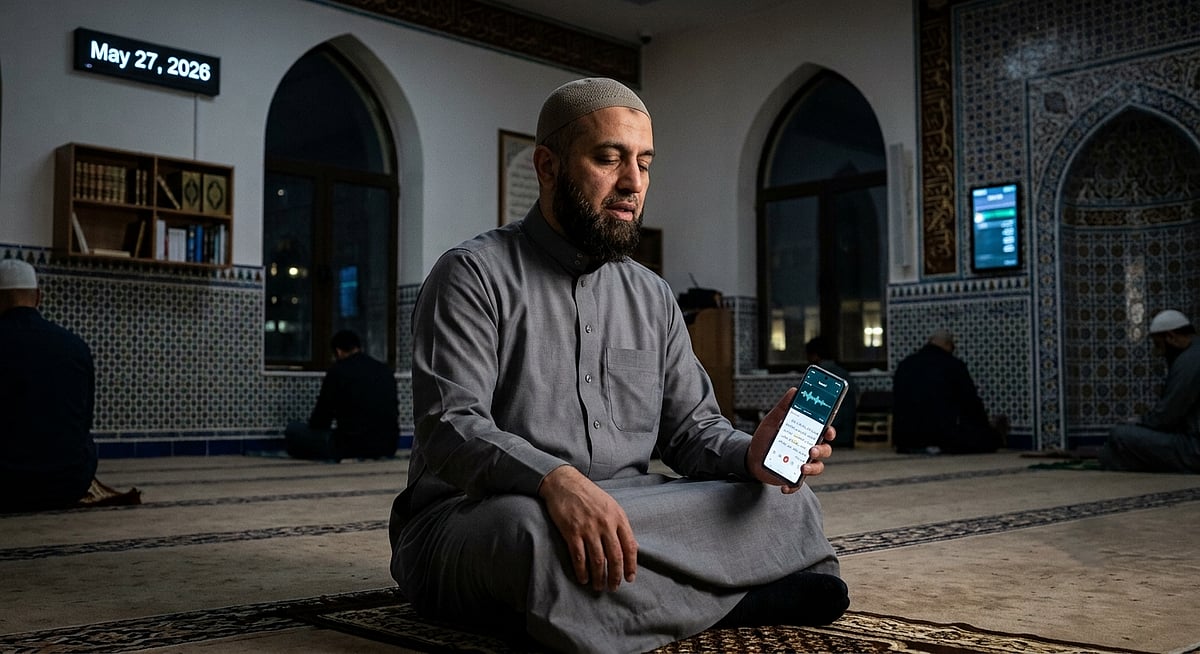
Islamic scholars are raising questions about the capability of Artificial Intelligence (AI) to provide accurate interpretations of Islamic law. Specifically, they are debating whether AI can truly grasp and apply the nuances required for issuing fatwas, which are religious rulings or legal opinions in Islam. This discussion highlights a growing tension between traditional religious authority and emerging technological capabilities.
The core of the debate centers on the nature of religious interpretation, which often involves deep understanding of context, intent, and historical precedent. Scholars question if an AI, however advanced, can replicate the human element of empathy, wisdom, and spiritual insight that is considered crucial in religious jurisprudence. The implications of AI-generated fatwas could be far-reaching, potentially impacting how religious guidance is sought and disseminated in the future.
AI's potential role in religious interpretation presents a complex challenge to established religious authorities. While AI can process vast amounts of data and identify patterns, its capacity for nuanced understanding, ethical reasoning, and spiritual insight remains a subject of debate. The integration of AI into religious discourse raises questions about the future of religious leadership, the nature of faith in a technologically advanced society, and the potential for algorithmic bias in interpreting sacred texts. This evolving dynamic necessitates careful consideration of governance frameworks to ensure AI applications align with societal values and ethical principles, fostering a future where technology serves humanity without undermining core humanistic and spiritual traditions.
AI-generated to prompt reflection — not editorial opinion, not advice, not a statement of fact. How this works.