AI Poised to Power Autonomous Robots in Workplaces and Homes
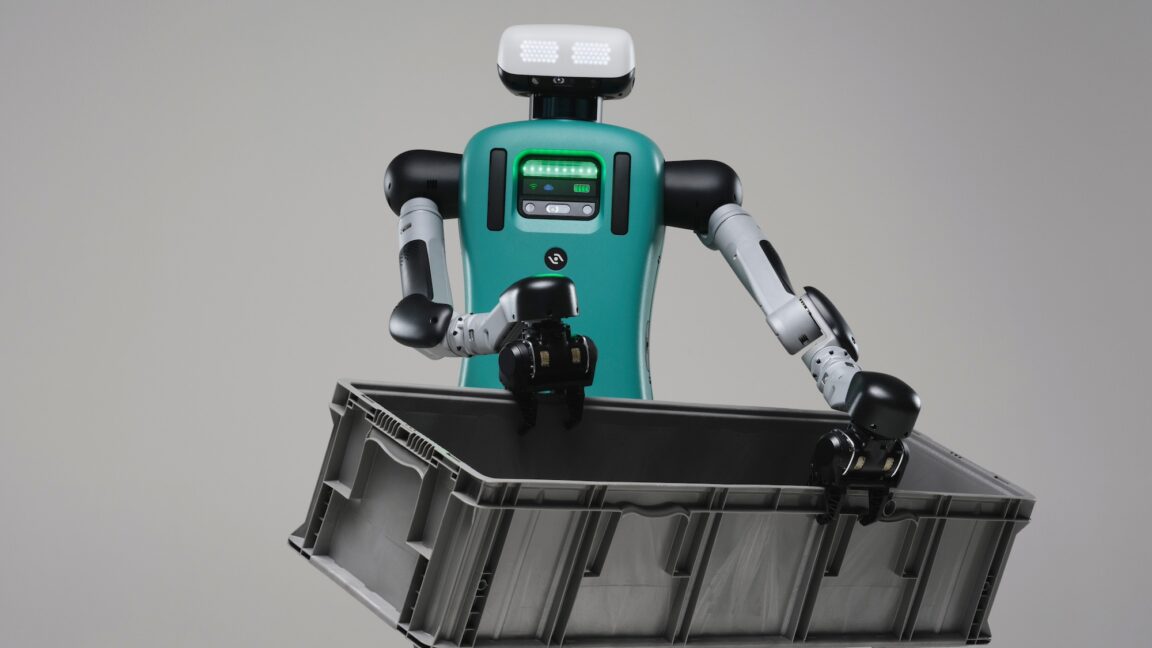
Leading robotics researchers and company founders are observing significant advancements in robot autonomy, largely driven by artificial intelligence. These experts believe AI is on the cusp of enabling robots to operate independently across various environments, including both professional workplaces and private residences. The evolution of AI algorithms and machine learning capabilities is central to this development, allowing robots to perceive their surroundings, make decisions, and execute tasks without constant human supervision. This progression suggests a future where robots could become commonplace in diverse settings, performing a wide range of functions. The implications span from increased efficiency and productivity in industries to potential assistance in domestic chores and daily life. The research and development in this field are accelerating, indicating a near-term possibility of integrated autonomous robot workers.
AI's increasing capability to facilitate robot autonomy presents a transformative shift in labor dynamics. As robots become more adept at independent operation, the economic incentives for their deployment in both industrial and domestic spheres will likely grow. This raises critical questions about workforce adaptation, the future of human employment, and the ethical considerations of integrating autonomous agents into daily life. Examining the potential societal impacts, including economic displacement and the need for new regulatory frameworks, is crucial for navigating this technological evolution responsibly. The long-term trajectory suggests a redefinition of work and leisure, necessitating proactive planning to harness the benefits while mitigating potential downsides.
AI-generated to prompt reflection — not editorial opinion, not advice, not a statement of fact. How this works.