AI poised to replace animal testing in medicine and cosmetics
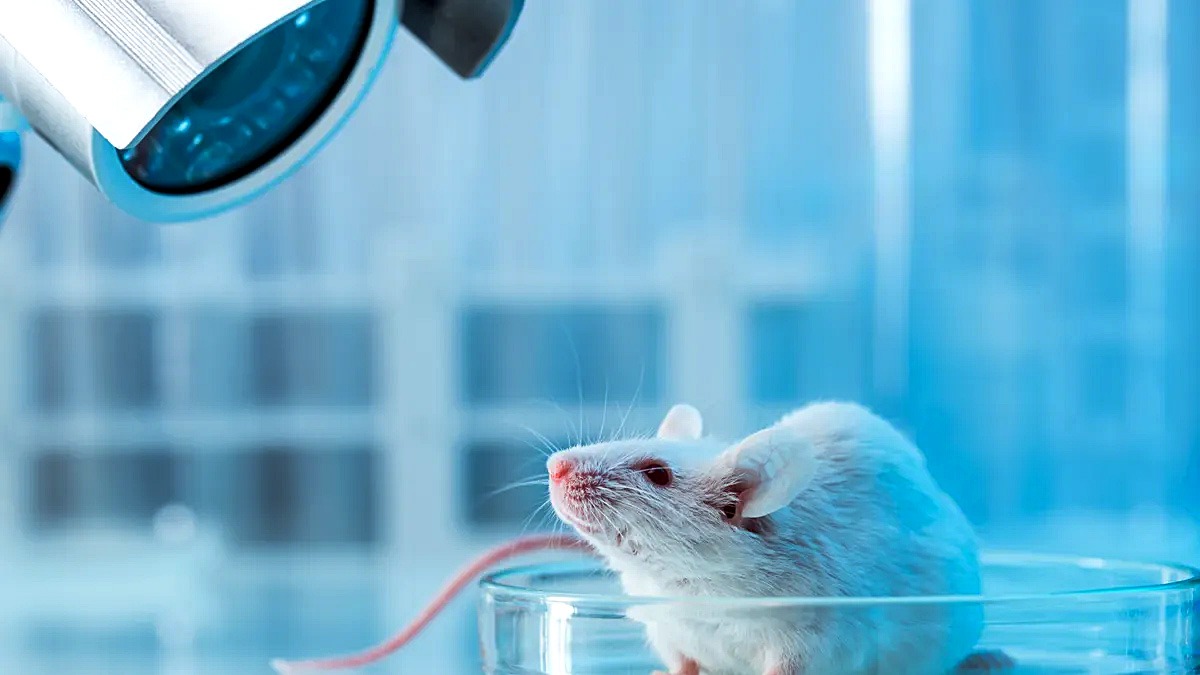
Artificial intelligence is expected to bring an end to animal testing for medical and cosmetic purposes. Advanced AI models have demonstrated the capability to accurately predict drug toxicity, organ damage, and chemical hazards, surpassing the limitations of traditional animal experiments. This technological advancement presents a significant opportunity for Africa to adopt and integrate these innovative methods. The shift towards AI-driven testing signifies a move towards more precise and potentially more ethical scientific practices. It highlights the growing potential of AI to revolutionize various sectors by offering predictive power that was previously unattainable. The article suggests that embracing this AI revolution is crucial for progress and innovation.
AI's capacity to accurately predict adverse biological effects presents a paradigm shift away from traditional animal testing methodologies. This transition, driven by computational power and sophisticated algorithms, could significantly reduce ethical concerns and improve the efficiency of safety assessments. For regions like Africa, embracing this technological leap offers a chance to leapfrog established research infrastructures and become leaders in AI-driven scientific innovation. The long-term implications involve a re-evaluation of regulatory frameworks and scientific training to align with these advanced predictive capabilities, fostering a future where scientific discovery is both more effective and more humane.
AI-generated to prompt reflection — not editorial opinion, not advice, not a statement of fact. How this works.