AI Power Grid Costs Should Not Be Passed to Citizens
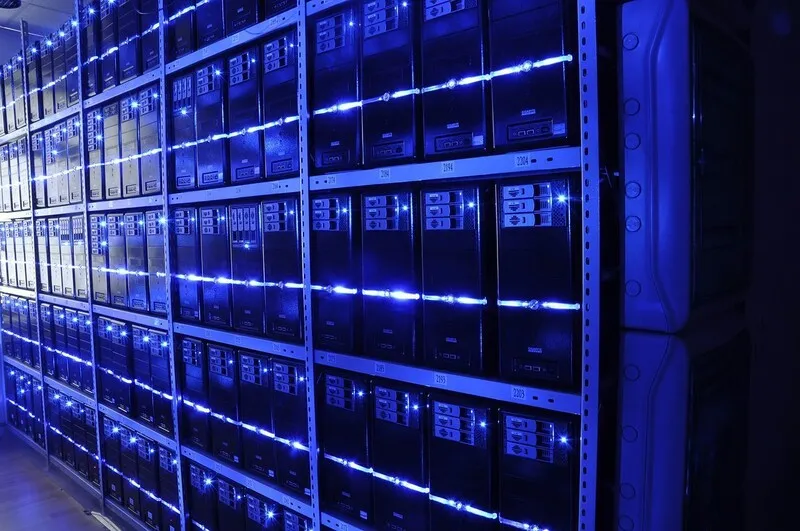
The escalating costs associated with building the necessary power grids for artificial intelligence (AI) development should not be borne by the public. This statement highlights a critical concern regarding the financial burden of expanding electricity infrastructure to meet the demands of AI. As AI technologies become more pervasive and require significant computational power, the energy consumption and, consequently, the infrastructure needed to support it, are growing exponentially. The article argues that the entities benefiting from AI advancements, such as technology companies and data centers, should be primarily responsible for funding these infrastructure upgrades. Passing these costs onto ordinary citizens through increased electricity rates or taxes would be inequitable, especially considering that the benefits of AI may not be immediately or universally distributed. Therefore, a sustainable and fair funding model is necessary to ensure that the development of AI does not lead to undue financial strain on the general population. This approach would encourage responsible investment in AI infrastructure and prevent the privatization of profits while socializing the costs.
AI's burgeoning demand for electricity necessitates substantial infrastructure investment. The analysis centers on the equitable distribution of these costs. While AI promises societal advancements, its energy-intensive nature presents a fiscal challenge. The core issue is whether the economic benefits derived from AI justify placing the financial burden of its power grid requirements onto the general populace. A potential framework could involve tiered pricing for energy consumption, where heavy industrial users, including AI data centers, contribute proportionally more to grid expansion. Alternatively, direct public-private partnerships or dedicated AI infrastructure funds, financed by the industry itself, could be explored. This approach would align incentives, ensuring that those who profit most from AI also bear the primary responsibility for its foundational energy needs, thereby fostering a more sustainable and equitable technological evolution over the next decade.
AI-generated to prompt reflection — not editorial opinion, not advice, not a statement of fact. How this works.