AI-powered cameras in São Paulo begin fining drivers for seatbelt and phone violations
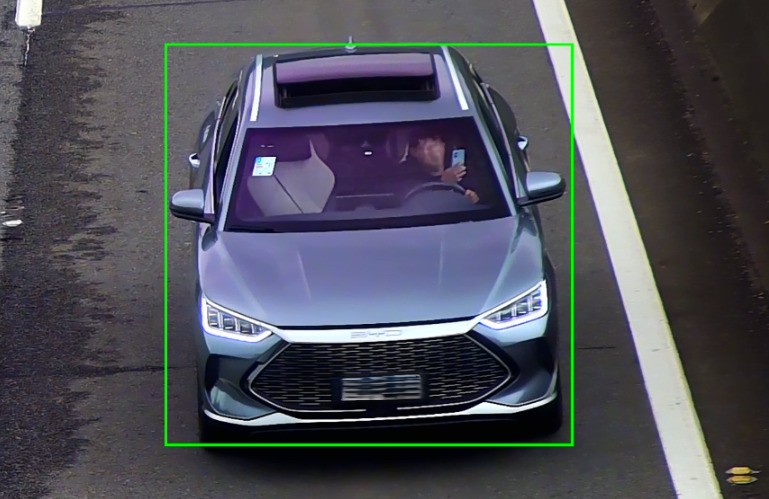
New electronic surveillance equipment utilizing artificial intelligence has been deployed on the South and East sections of the Rodoanel Mário Covas highway in Greater São Paulo. These AI-powered cameras, which also feature infrared capabilities and operate 24/7, began issuing fines on July 1, 2023, following a testing period. Drivers caught not wearing seatbelts or using their mobile phones while driving are now subject to penalties. Between May 12 and June 29, 2023, the cameras recorded 7,297 potential violations, averaging 149 per day. Of these, 3,335 (45.7%) were for drivers without seatbelts, 1,956 (26.8%) for passengers without seatbelts, and 1,369 (18.8%) for drivers using cell phones. The concessionaire SPMar, which manages the highway, stated that the fines are issued by the Military Highway Police (PMRv). Not every recorded incident results in a fine; blurry images or those that do not clearly show the infraction are discarded during the review process. The images are transmitted to a system shared with the PMRv, where an officer at the concessionaire's Operations Control Center verifies the footage and issues citations if an offense is confirmed. Distraction is identified as a major contributor to traffic accidents, with the Brazilian Association of Traffic Medicine (Abramet) reporting that 90% of incidents involve distracting elements, such as cell phone use or disregard for traffic laws.
AI-driven enforcement systems are increasingly being integrated into traffic management, aiming to enhance safety by addressing common violations like seatbelt non-compliance and distracted driving. While such technologies offer the potential for more efficient and consistent monitoring, their implementation raises questions about data privacy, algorithmic bias, and the potential for over-reliance on automated systems without sufficient human oversight. The transition from manual to automated ticketing necessitates clear communication regarding the technology's capabilities and limitations, ensuring that the pursuit of safety does not inadvertently create new forms of friction or erode public trust. Future deployments will likely involve refining AI accuracy, establishing robust appeal processes, and considering the broader societal impact of pervasive surveillance in public spaces.
AI-generated to prompt reflection — not editorial opinion, not advice, not a statement of fact. How this works.