AI-powered license plate readers aid police but spark privacy concerns
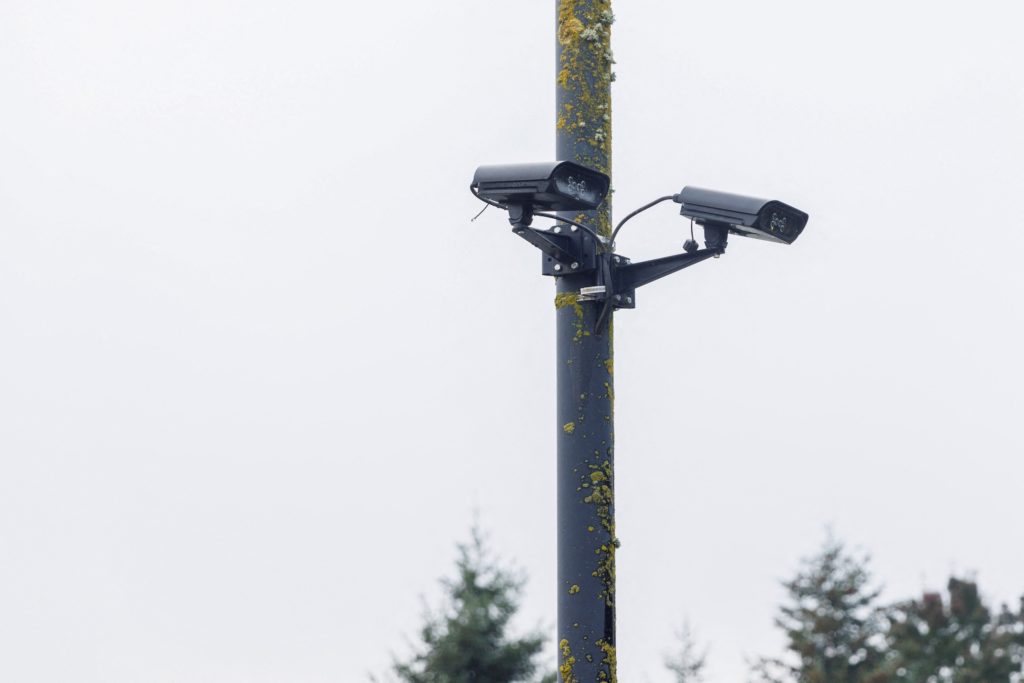
Law enforcement agencies across the United States are employing AI-powered cameras, such as Flock systems, to scan billions of vehicle license plates monthly. These systems operate often without drivers' awareness, with proponents asserting they are invaluable tools for crime-solving. However, critics express significant apprehension, warning that this technology is inadvertently establishing a comprehensive surveillance network spanning the entire nation. This development prompts critical discussions regarding the extent to which American citizens are prepared to relinquish their privacy in exchange for enhanced public safety. The debate highlights a fundamental tension between security imperatives and the right to privacy in the digital age.
AI-powered license plate readers represent a significant technological advancement for law enforcement, offering the potential to identify vehicles associated with criminal activity. The system's ability to process vast amounts of data quickly can accelerate investigations. However, the widespread deployment of such technology raises complex governance questions about data collection, retention, and access. The potential for misuse or scope creep necessitates robust oversight mechanisms and clear legal frameworks to balance public safety objectives with individual privacy rights. Future considerations should include transparency in deployment, independent auditing of data usage, and public discourse on acceptable levels of surveillance in a democratic society, particularly as AI capabilities continue to evolve.
AI-generated to prompt reflection — not editorial opinion, not advice, not a statement of fact. How this works.