AI Recreates Image of Historical Figure Chica da Silva for TV Program
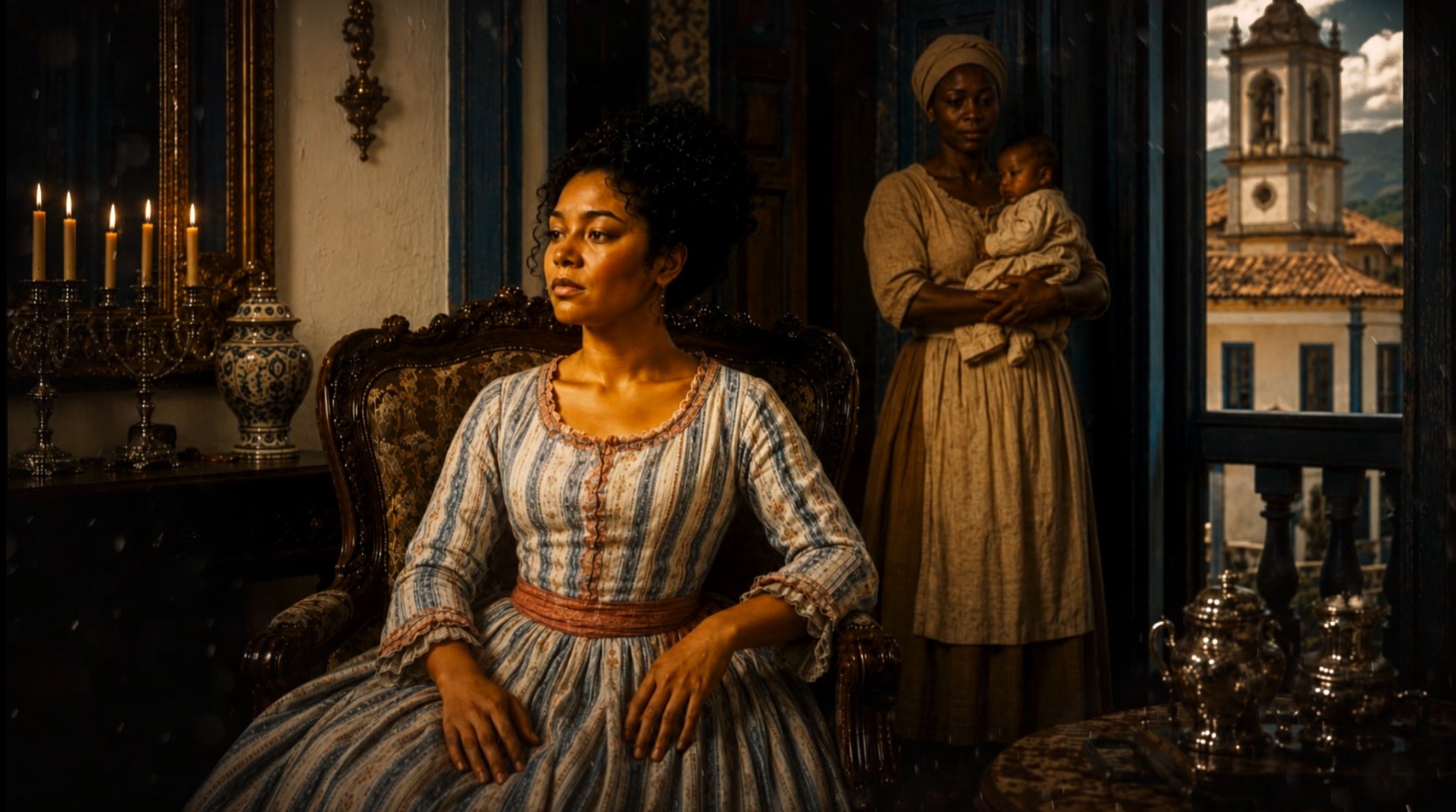
The Brazilian TV program 'Terra de Minas' is honoring Chica da Silva, a prominent historical figure from Minas Gerais, 230 years after her death. The program uses artificial intelligence to recreate visual representations of her life, aiming to present a more historically accurate portrayal than popular culture depictions. Researchers and historians have worked to move beyond the common image of Chica as solely sensual, manipulative, and ambitious, which may not align with historical records. The AI-generated images are based on extensive historical research, including documents, expert interviews, and iconic records like the 'Livro de Costumes' from the 18th century.
Key figures involved in guiding the AI's artistic reconstruction include historian Júnia Ferreira Furtado, author of "Chica da Silva e o contratador dos diamantes: o outro lado do mito," and Carolina Bicalho, a design professor and art curator. The process focused on avoiding the sexualization of Chica's image and preventing a purely European aesthetic, instead drawing from colonial Brazilian contexts. Visualizations depict Chica at different life stages: as a young, enslaved woman from the Mina Coast, identified as 'Francisca Parda,' wearing colorful, patterned clothing typical of enslaved women in the diamond region.
As an adult, living with diamond contractor João Fernandes de Oliveira, her depiction reflects a shift to elite colonial life, characterized by more robust appearance signifying wealth and prestige, and luxurious attire. The AI also recreated images of João Fernandes de Oliveira, adhering to 18th-century Portuguese elite fashion. Notably, the decision was made not to depict Chica da Silva wearing a wig, as historical evidence supporting this is scarce and wigs were more commonly associated with men during that era.
AI's application in historical reconstruction offers a novel approach to visualizing figures like Chica da Silva, moving beyond potentially biased popular interpretations. This method, grounded in documented research and expert consultation, aims for greater historical fidelity. However, it highlights the inherent challenges in definitively capturing an individual's likeness from historical records, especially when direct visual evidence is absent. The project's emphasis on avoiding sexualization and Eurocentric biases reflects a growing awareness of representation in historical media. Future applications could explore AI's role in democratizing historical narratives, but careful consideration of data bias and interpretive frameworks remains crucial to ensure accurate and nuanced portrayals.
AI-generated to prompt reflection — not editorial opinion, not advice, not a statement of fact. How this works.