AI Recreates Pelé's Most Famous Unfilmed Goal
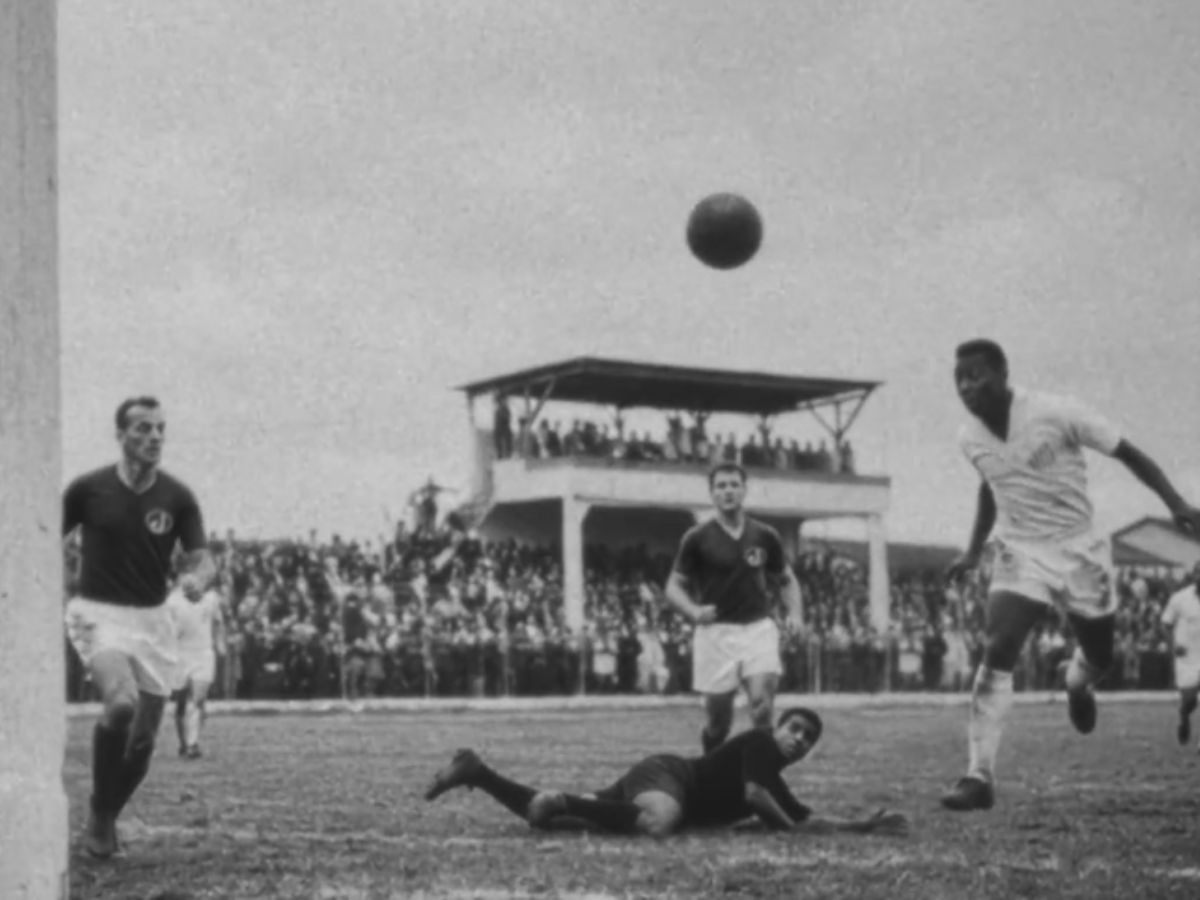
Artificial intelligence has been used to recreate Pelé's most famous goal, which was never filmed. The iconic moment occurred on August 2, 1959, during a match between Santos and Juventus at the Rua Javari stadium in São Paulo. The goal involved Pelé executing three consecutive 'chapéus' (nutmegs) over opposing players and the goalkeeper without the ball touching the ground, a testament to his extraordinary talent.
The recreation is a collaboration between Google and Pelé Brand, managed by NR Sports. A documentary titled "The Most Beautiful Goal Never Seen" was released on YouTube, showcasing the AI-generated scene. The project utilized historical documents, photographs, stadium architecture details, and eyewitness accounts, alongside advanced AI models like Google DeepMind's Nano Banana and Veo 3, and Gemini Omni for video editing. A live recording was also made on the original stadium turf to enhance realism.
The recreated goal will be exhibited at the Pelé Museum in Santos. Pelé's daughter, Flávia Kurtz, and football legends Neymar Jr. and Marta have all commented on the project, expressing awe and emphasizing the importance of preserving and sharing Pelé's legacy. The lack of filming at the time is attributed to the technological limitations of portable cameras and the nascent state of television broadcasting in Brazil, coupled with limited audiovisual coverage of sporting events.
The use of advanced AI to reconstruct historical sporting moments, like Pelé's famed unfilmed goal, highlights a growing trend in digital preservation and fan engagement. This initiative, by Google and Pelé Brand, leverages cutting-edge technology to bridge generational gaps, allowing new audiences to experience legendary feats. The project's success hinges on its ability to balance technological innovation with historical accuracy, drawing from a multidisciplinary team of experts and archival data. While AI offers powerful tools for bringing the past to life, it also prompts consideration of the ethical implications of digital reconstruction and the potential for AI to shape historical narratives. The initiative serves as a compelling case study for how cultural heritage can be revitalized and made accessible in the digital age, potentially setting precedents for preserving other significant, yet unrecorded, historical events.
AI-generated to prompt reflection — not editorial opinion, not advice, not a statement of fact. How this works.