AI Recreates Piracicaba's Lost Landmarks: Trampoline and Car Races
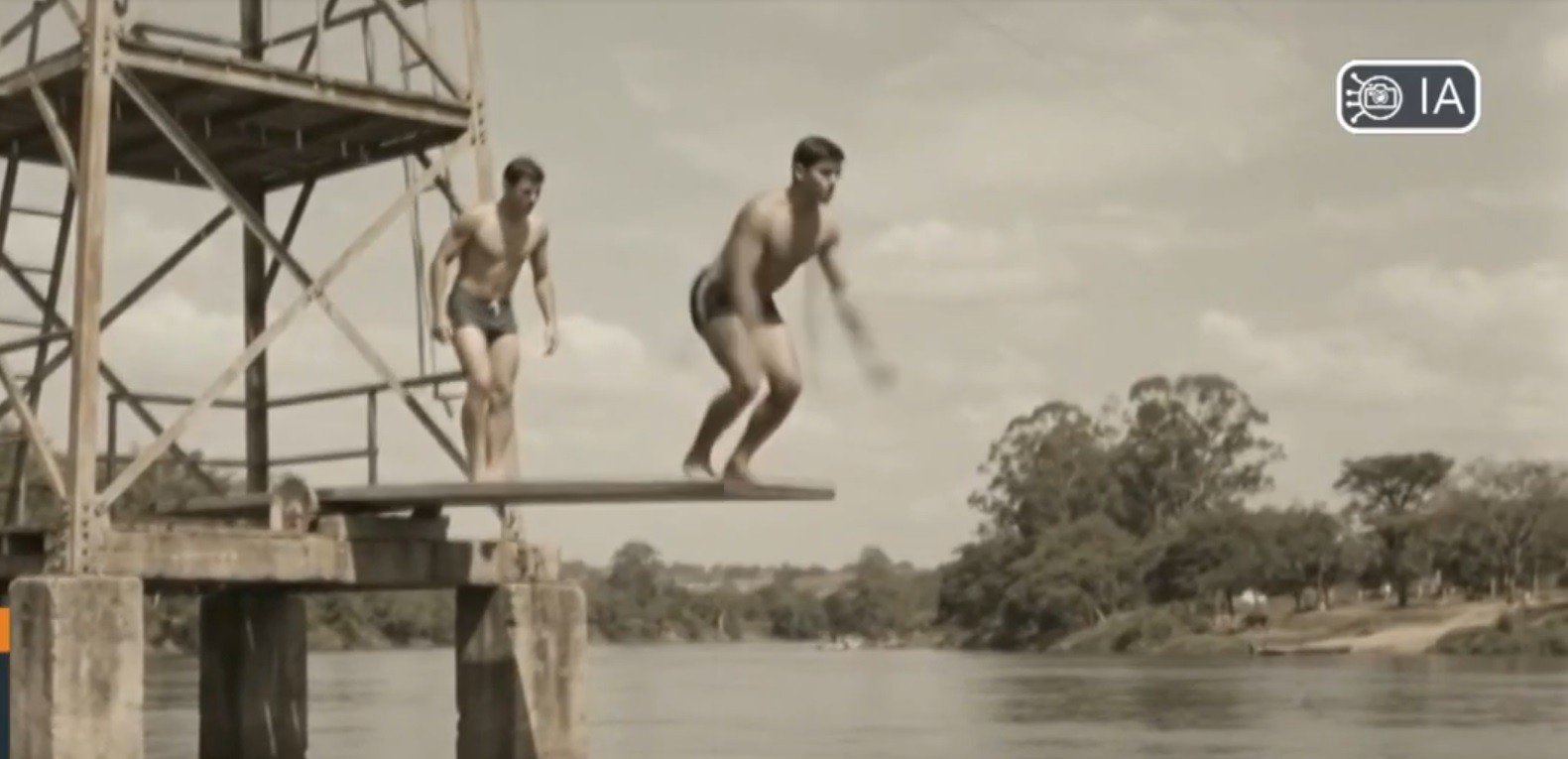
Piracicaba, Brazil, celebrated its 259th anniversary by using artificial intelligence to recreate videos of two long-gone attractions: a trampoline at Rua do Porto and car races on Avenida Armando de Salles de Oliveira. The trampoline, a popular leisure spot on the Piracicaba River, operated from the 1950s to the 1980s before its structure rusted and collapsed. A local fisherman recalled the platform breaking and eventually being dismantled due to safety concerns. Meanwhile, the Avenida Armando de Salles de Oliveira, now a busy thoroughfare, hosted thrilling car races in the 1960s. These events, which involved cars racing from Vila Rezende towards the city center and crossing train tracks, were a significant part of Piracicaba's history. Former residents remember makeshift barriers made of compressed sugarcane waste used to line the race circuit. Accidents and rollovers eventually led to the races being moved, and Piracicaba now has a dedicated autodrome, with the spirit of street racing preserved in the annual 100 Milhas de Piracicaba competition. Additionally, AI was used to visualize the 'Cachoeira da Luiz de Queiroz,' a waterfall within the Luiz de Queiroz Higher School of Agriculture (Esalq), a campus of the University of São Paulo. This natural spot, once a frequented swimming area, is now off-limits to prevent drownings. These AI-generated videos, based on old photographs and shared memories, offer a digital bridge to the city's past, allowing residents to reconnect with cherished historical moments.
AI's application in recreating historical scenes from Piracicaba demonstrates a powerful tool for cultural preservation and community engagement, transforming digital archives into vivid visual narratives. This technological approach allows for the democratization of historical memory, enabling broader access to and understanding of past events and places that might otherwise fade. By animating static images, AI not only preserves but also breathes new life into collective recollections, fostering a stronger connection between present generations and their heritage. Such initiatives highlight the potential for AI to serve as a bridge across time, enriching civic identity and offering educational insights into urban development and societal change. The use of AI in this context underscores a growing trend of leveraging advanced technologies to augment human experience and safeguard cultural legacies for the future.
AI-generated to prompt reflection — not editorial opinion, not advice, not a statement of fact. How this works.