AI Regulation: Norway's School Ban Offers a Model, Says French Essayist
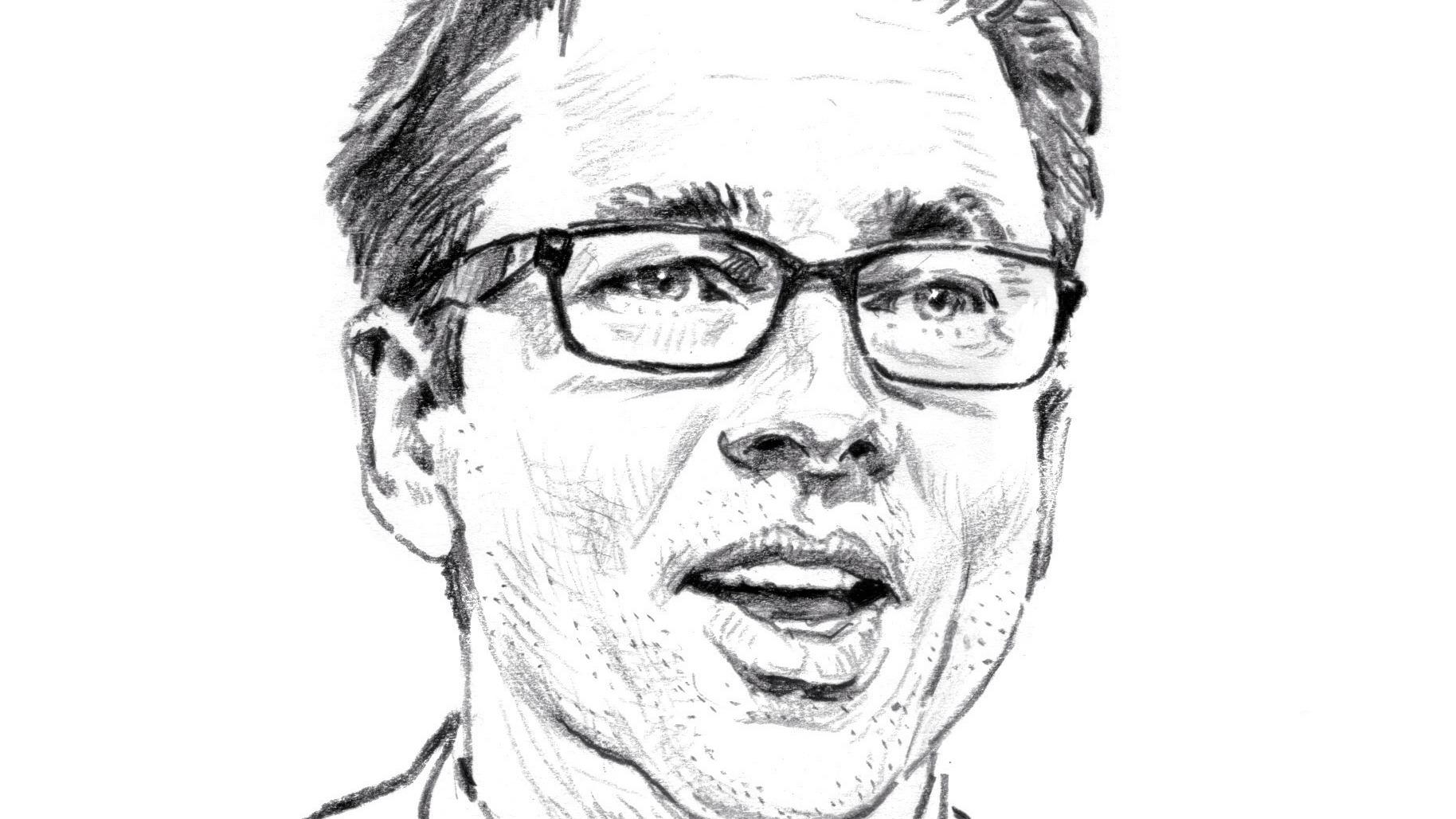
French essayist Édouard Tétreau argues that policymakers face a critical choice regarding artificial intelligence: either make AI desirable and controlled, or risk societal backlash. He points to Norway's recent decision on June 19th as evidence that controlling AI is feasible. Norway announced a ban on AI use for children aged 6 to 13 in schools and imposed limitations on its use for adolescents. Tétreau believes this move demonstrates that proactive measures can be taken to manage the rapid deployment of AI technologies. As AI's integration into various aspects of life accelerates, Tétreau observes a growing public rejection of the technology. He suggests that Norway's approach provides a concrete example of how governments can assert control over AI's proliferation. The essayist implies that neglecting such regulatory measures could lead to significant societal resistance. Therefore, he urges policymakers to actively shape AI's development and application to ensure it is both beneficial and manageable.
Norway's decision to restrict AI in schools for younger age groups highlights a global tension between technological advancement and societal well-being. This regulatory action, framed by Tétreau as a choice between desirability and risk, underscores the emerging challenge of balancing AI's potential benefits with its disruptive implications. As AI systems become more integrated, governance frameworks must evolve to address concerns about control, equity, and unintended consequences. The Norwegian example suggests a path toward proactive, age-specific regulation, prompting consideration of how such models might scale globally. Policymakers worldwide are now tasked with developing strategies that foster innovation while mitigating risks, ensuring AI development aligns with human values and societal stability over the next decade.
AI-generated to prompt reflection — not editorial opinion, not advice, not a statement of fact. How this works.