AI's Double-Edged Sword: Humanoid Robots and the Risk of Increased Danger
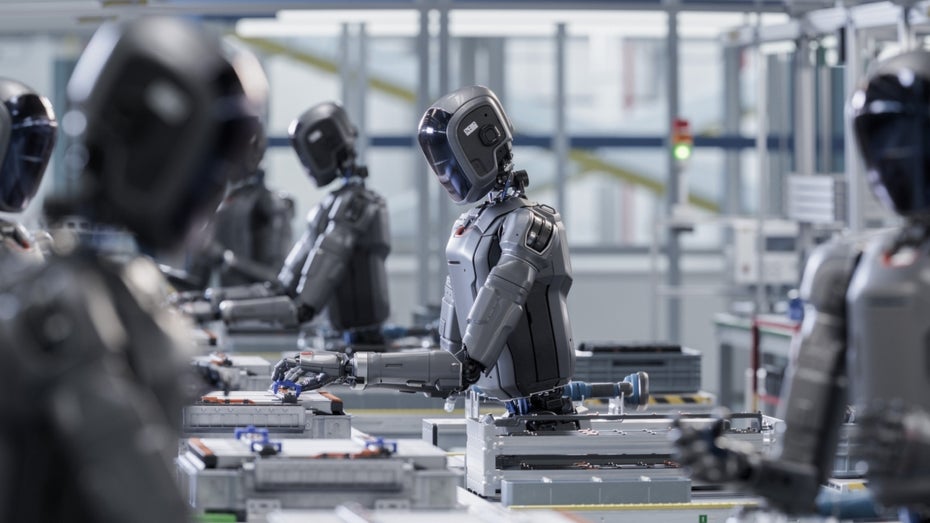
Many humanoid robots are still far from being ready for mass production and widespread use. A significant challenge lies in their design: they are intended to handle a wide variety of tasks, but this versatility makes them reliant on statistical probabilities. This reliance on probabilistic outcomes can lead to unpredictable behavior, especially in complex or novel situations. As artificial intelligence is integrated to enhance their capabilities, the potential for these robots to become not just smarter, but also more dangerous, increases. The current limitations suggest that achieving true robustness and safety in humanoid robots requires overcoming fundamental hurdles in their probabilistic decision-making processes. Further development is needed to ensure these advanced machines can operate reliably and safely in diverse environments before they can be considered suitable for mass adoption.
AI integration into humanoid robots presents a complex trade-off between enhanced functionality and potential risks. While AI promises greater adaptability and task performance, its probabilistic nature, when applied to physical systems operating in the real world, introduces inherent uncertainties. This reliance on statistical models means that even with advanced AI, unpredictable outcomes remain a possibility, particularly in scenarios not extensively covered by training data. The challenge for developers and regulators will be to establish robust safety protocols and validation methods that can account for these probabilistic behaviors. Over the next decade, the focus will likely shift towards developing AI architectures that offer greater determinism or more reliable fallback mechanisms for physical robots, ensuring that increased intelligence does not equate to increased danger.
AI-generated to prompt reflection — not editorial opinion, not advice, not a statement of fact. How this works.