AI's Impact on Education: Will the Traditional Classroom Survive?
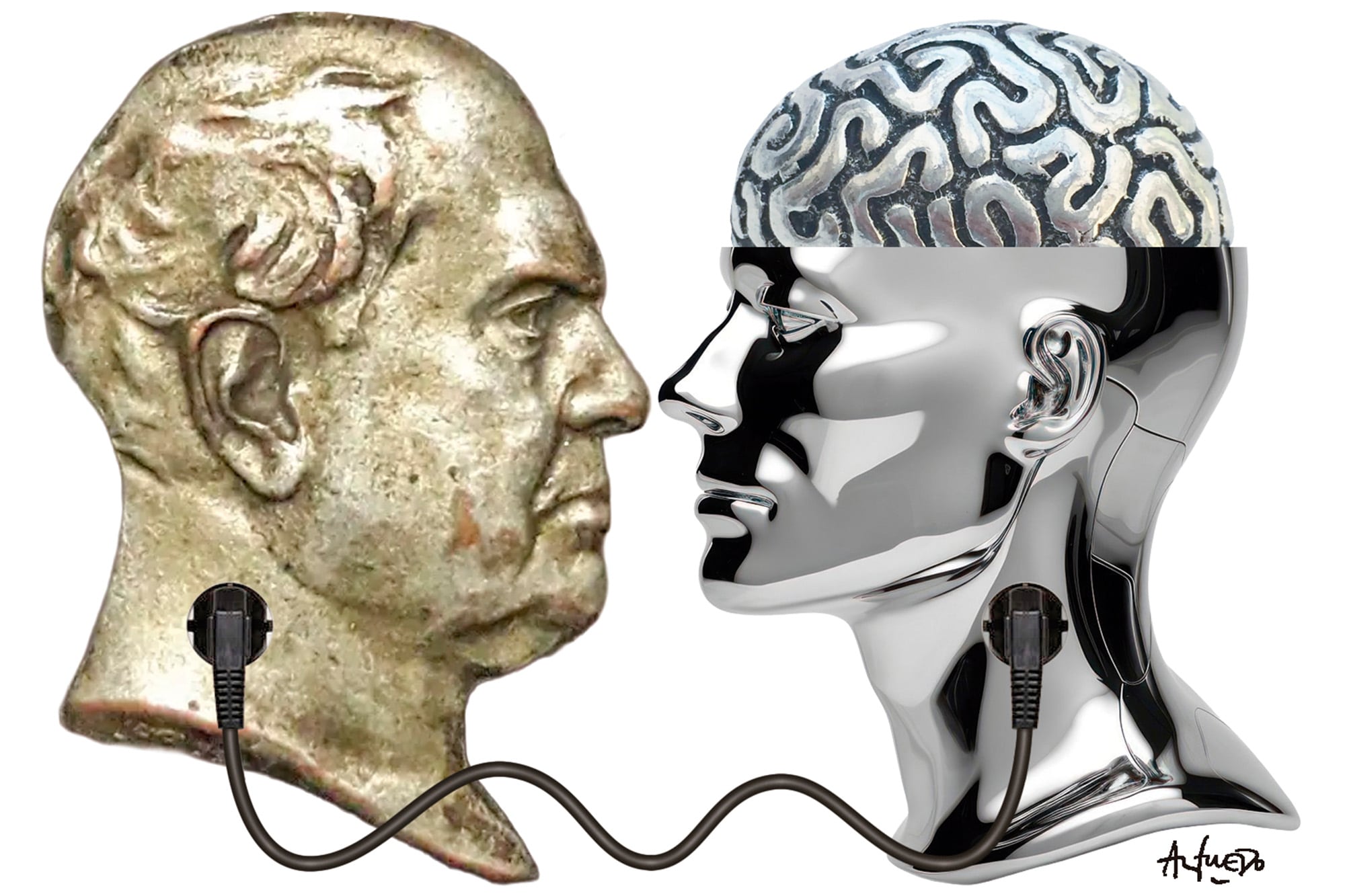
Artificial intelligence poses a significant threat to the established pedagogical experience, potentially eliminating the traditional classroom setting as we know it. The rapid advancement of AI technologies raises questions about the future of teaching and learning methods. Educators and institutions are grappling with how to integrate AI effectively without compromising the core values of education. The potential for AI to automate tasks, personalize learning, and even deliver instruction directly to students challenges the established roles of teachers and the physical structure of schools. This technological shift necessitates a re-evaluation of educational goals and strategies to ensure that human interaction and critical thinking remain central to the learning process. The question of survival for the current educational model hinges on its ability to adapt and evolve in the face of these transformative AI capabilities. Without strategic adaptation, the conventional classroom environment could become obsolete, replaced by more technologically driven and potentially less human-centric educational paradigms.
AI's integration into education presents a complex dynamic, potentially optimizing personalized learning pathways and administrative efficiency. However, this technological advancement necessitates a careful consideration of the systemic trade-offs. The risk of over-reliance on AI could diminish the development of crucial interpersonal skills and critical thinking fostered through human interaction in traditional classroom settings. Future educational frameworks must balance the benefits of AI-driven tools with the enduring value of human mentorship and collaborative learning environments. The challenge lies in architecting educational systems that leverage AI as a powerful supplement, rather than a wholesale replacement, ensuring that the evolving landscape of learning remains fundamentally human-centered and conducive to holistic development.
AI-generated to prompt reflection — not editorial opinion, not advice, not a statement of fact. How this works.