AI's 'Living Dead': Recreating the Deceased for Entertainment and Commerce
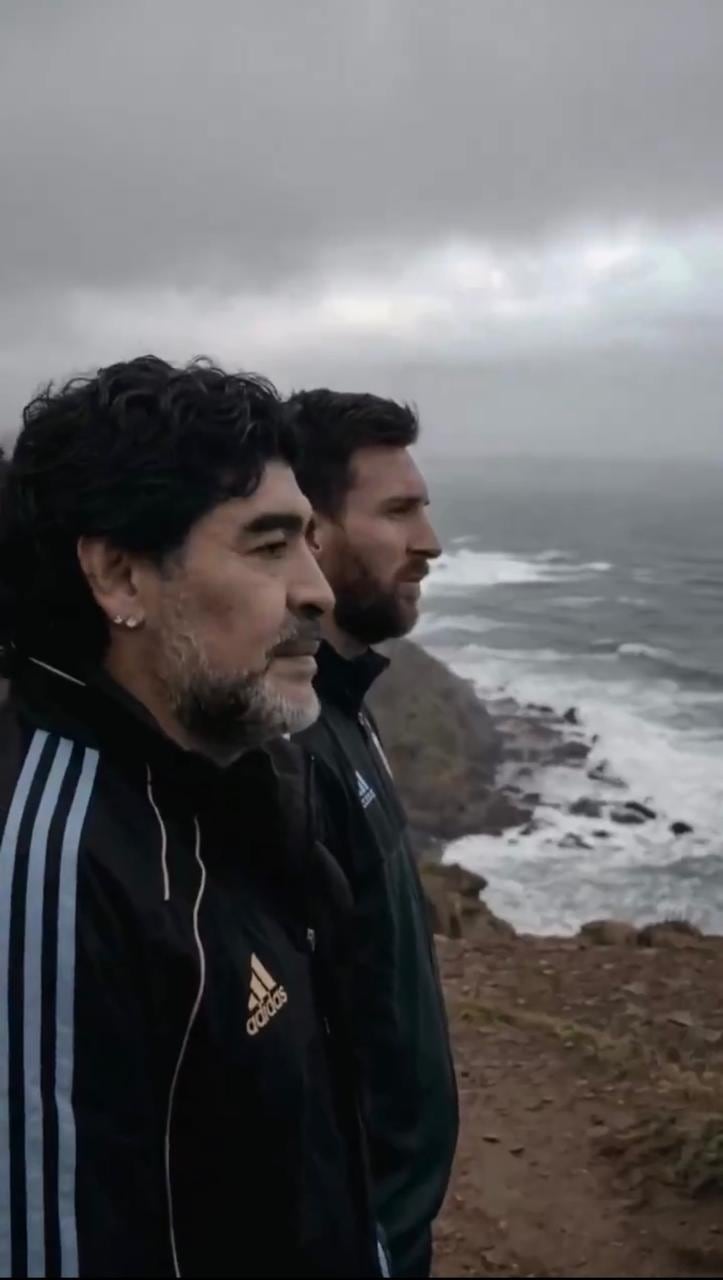
Artificial intelligence is increasingly being used to recreate deceased individuals, blurring the lines between life and death for entertainment and commercial purposes. During the FIFA World Cup, videos emerged featuring a resurrected Diego Maradona offering advice to Lionel Messi, while his image and voice were also utilized in advertisements for a betting platform. Although Maradona's family reportedly authorized this usage, the article questions whether the football legend would have approved of his likeness being associated with activities that can lead to severe addiction. Similarly, comedian Malena Guinzburg expressed discomfort seeing her late father, who passed away in 2008, depicted as receiving Ernestina Pais, a recently deceased journalist, in the afterlife. Pais died when her car was struck by a train. The piece also speculates on how literary icon Jorge Luis Borges, known for his aversion to football, might react to being AI-generated in a stadium wearing a national team jersey under his jacket. These instances highlight the growing ethical considerations surrounding the use of AI to revive public figures, raising questions about consent, legacy, and the potential for exploitation.
AI's capacity to digitally resurrect deceased individuals presents a complex ethical landscape, particularly concerning the commercialization of personal likeness and legacy. While AI can offer novel forms of remembrance or entertainment, the potential for exploitation is significant, especially when the deceased cannot provide explicit consent. The instances cited, from sports figures to cultural icons, underscore the tension between honoring memory and the economic incentives driving the creation of 'living dead' digital personas. Future governance frameworks will need to address the rights of the deceased and their estates in the digital realm, balancing technological innovation with profound respect for individual autonomy and the potential societal impacts of widespread digital resurrection, including its implications for addiction and the manipulation of public perception.
AI-generated to prompt reflection — not editorial opinion, not advice, not a statement of fact. How this works.