AI's March Towards Autonomous Weapons: Can the World Community Prevent AI Warfare?
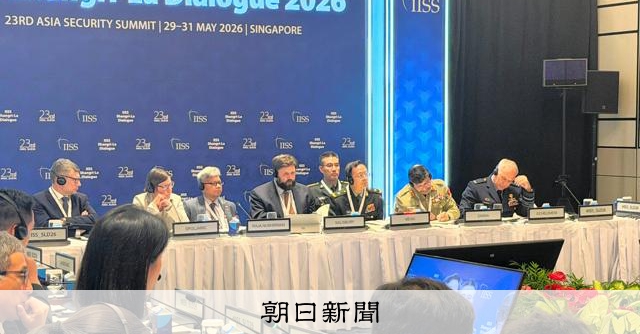
The development of autonomous weapons, often referred to as 'killer robots,' is advancing, raising concerns about the potential for AI-driven warfare. The international community is grappling with the question of whether it can effectively prevent such a future. This technological progression brings significant ethical and security challenges to the forefront. The debate centers on the control and accountability of AI systems in lethal decision-making. As AI capabilities expand, the implications for global stability and human oversight become increasingly critical. The urgency to establish international norms and regulations is growing. The world faces a pivotal moment in shaping the future of warfare and the role of artificial intelligence within it. The potential consequences of unchecked AI weaponization are a major concern for policymakers and the public alike. Addressing these issues requires a concerted global effort and a clear ethical framework.
The increasing sophistication of AI in military applications presents a complex challenge to global security. The development of autonomous weapons systems necessitates a careful examination of international law, ethical guidelines, and arms control treaties. The potential for AI to escalate conflicts or make decisions without direct human intervention raises profound questions about accountability and the future of warfare. Nations must consider the long-term implications of an AI arms race, balancing technological advancement with the imperative to maintain human control over lethal force. Establishing clear international frameworks and fostering dialogue among states will be crucial in navigating this evolving landscape and mitigating potential risks.
AI-generated to prompt reflection — not editorial opinion, not advice, not a statement of fact. How this works.