AI's Profound Societal Impact Demands Humanistic Perspective, Not Just Technical Focus
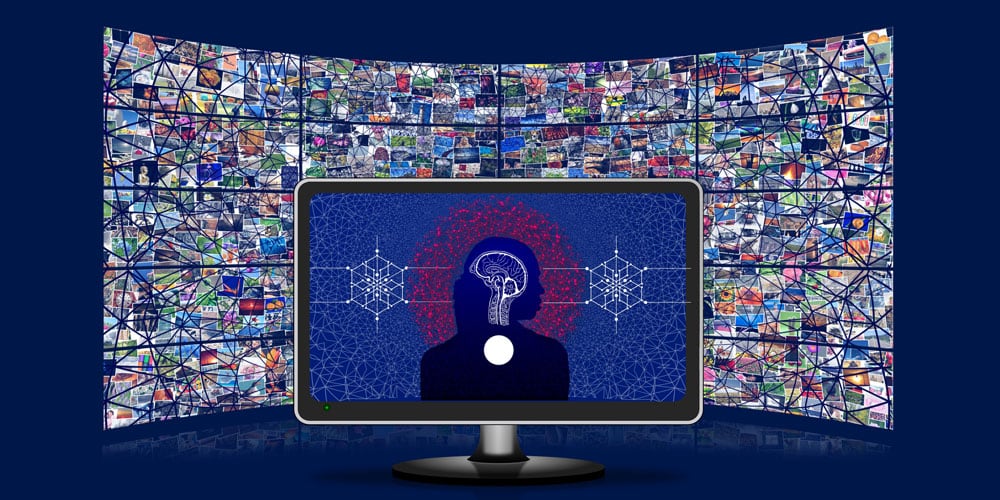
The widespread development and application of Artificial Intelligence (AI) are not adequately represented in public discourse, often being dismissed as a niche interest for specialists. However, AI represents a transformative force with the potential to fundamentally alter social interactions, employment and educational opportunities, access to resources, democratic processes, individual autonomy, national sovereignty, and international power dynamics. It also challenges our understanding of human values and rights, all progressing at an accelerating pace. Given these profound societal implications, it is irresponsible to approach AI's development, application, and regulation solely from a technological standpoint, neglecting the crucial insights offered by the humanities and critical thinking. The UN Secretary-General's warning that "No child should become a guinea pig for unregulated AI" underscores the risks of unchecked technological enthusiasm. This statement serves as a caution against the hubris of believing technology and its creators are infallible in shaping society, dictating social norms, or defining human rights. In contrast, the wisdom of the humanities acknowledges human imperfection and the potential for unintended consequences arising from a desire for absolute control. History demonstrates that attempts to engineer ideal systems can lead to disastrous outcomes when human fallibility is overlooked.
AI's rapid advancement necessitates a broader societal dialogue that transcends purely technical considerations. While technological innovation drives efficiency and new capabilities, its integration into society raises fundamental questions about governance, equity, and human values. The concentration of AI development and control within a few entities, often lacking clear national or ethical accountability, presents a significant governance challenge. A humanistic lens is crucial for scrutinizing the potential for AI to exacerbate existing inequalities or create new forms of social stratification. Future societal structures must proactively address the ethical frameworks governing AI, ensuring that its deployment aligns with principles of human dignity and democratic oversight, rather than allowing unchecked technological momentum to dictate societal evolution.
AI-generated to prompt reflection — not editorial opinion, not advice, not a statement of fact. How this works.