AI's Reliability Questioned in Search for Extraterrestrial Life
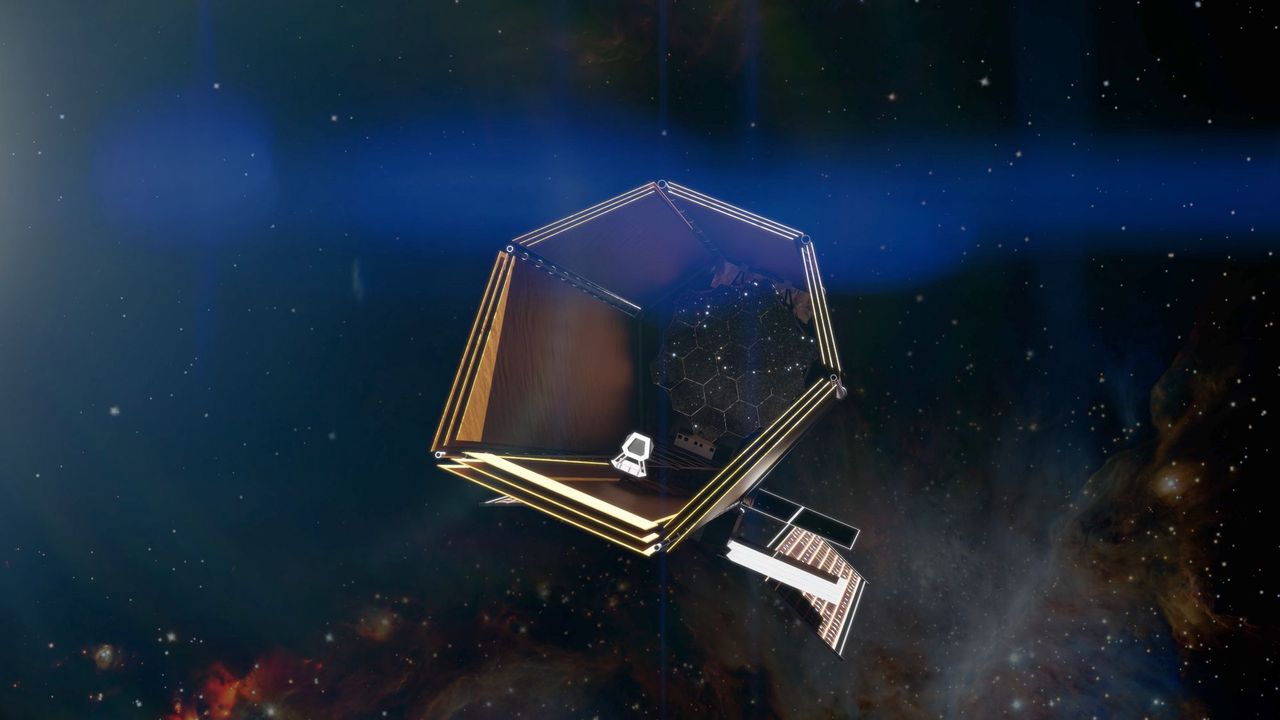
Recent scientific research indicates that artificial intelligence systems may not be reliable for detecting alien life. The studies suggest that AI can be easily deceived, leading it to incorrectly identify non-living phenomena as signs of life. This raises significant concerns about the current capabilities of AI in astrobiological research. Scientists are expressing caution regarding our ability to trust AI's findings in this specialized field. The potential for AI to make repeated false positive identifications could hinder genuine scientific progress. This vulnerability highlights the need for further development and rigorous testing of AI algorithms before they are widely deployed in the search for extraterrestrial intelligence. The findings underscore the importance of human oversight and validation in interpreting AI-generated data, especially in high-stakes scientific endeavors.
AI's application in astrobiology presents a complex trade-off between computational speed and analytical accuracy. While AI can process vast datasets far beyond human capacity, its susceptibility to misinterpretation, as demonstrated in this research, necessitates robust validation protocols. The development trajectory of AI in scientific discovery will likely involve refining algorithms to reduce false positives and enhance discernment. Future systems may require hybrid approaches, integrating AI's pattern recognition with human expert judgment to ensure reliable identification of biosignatures. This situation prompts consideration of the evolving role of human intuition and critical thinking alongside increasingly sophisticated AI tools in scientific exploration.
AI-generated to prompt reflection — not editorial opinion, not advice, not a statement of fact. How this works.