AI's Rise Sparks Academic Integrity Crisis: Students Cheat En Masse
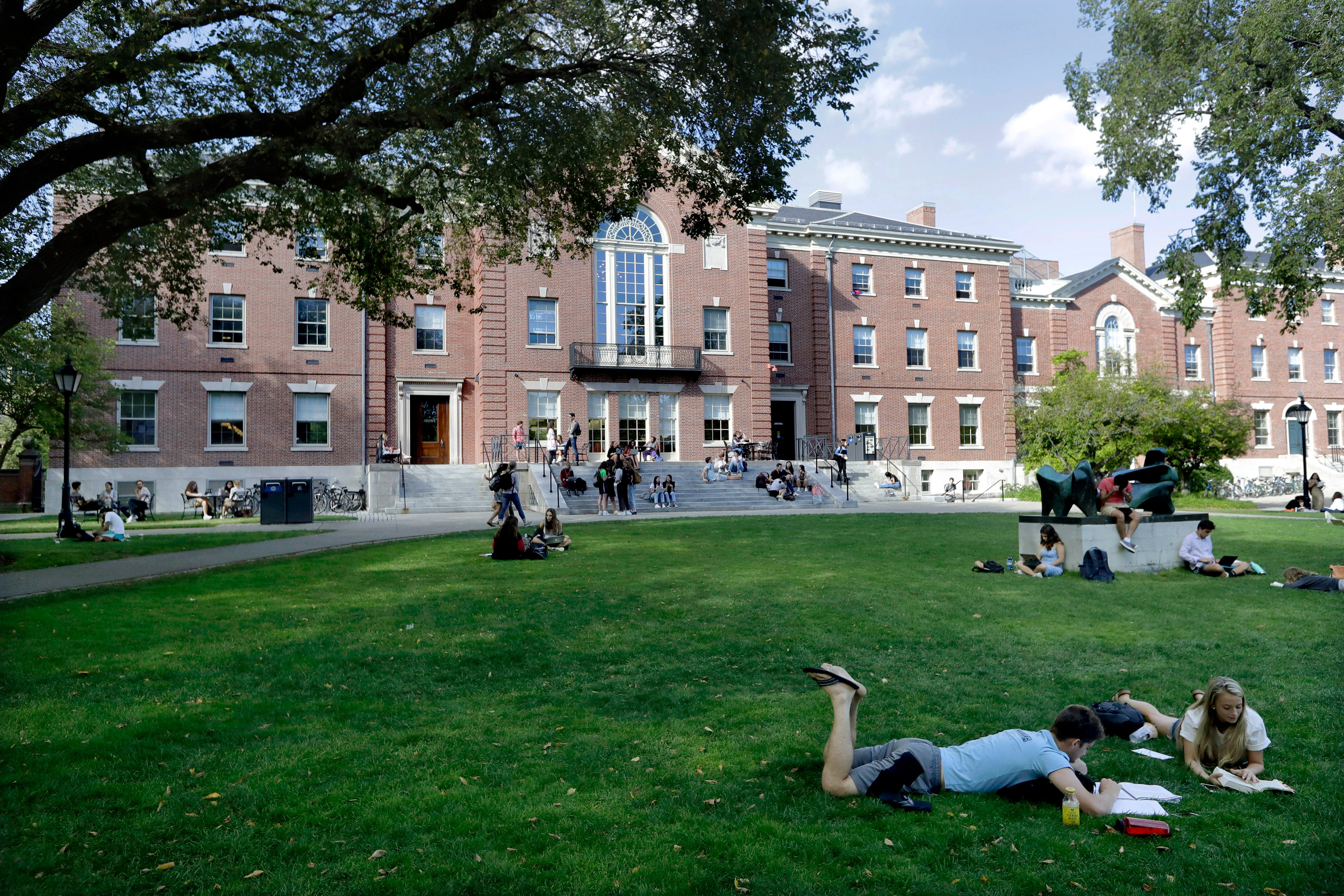
A prominent economist at Brown University, Roberto Serrano, has exposed a widespread cheating incident in his advanced mathematical economics course. This year, the average grade on a take-home exam was an unprecedented 96 out of 100, with 40 out of 89 students achieving a perfect score. Previously, Serrano's courses were known for their difficulty, attracting far fewer students, many of whom struggled to pass. The current situation, where over half the class appears to have achieved genius-level results, is deemed a grotesque absurdity and a clear indication of mass cheating, likely facilitated by AI tools.
Serrano has criticized the university's response, deeming it insufficient and calling for a public acknowledgment of the severity of the issue. He argues that academic integrity must be defended and that faculty should not be left alone in this crucial fight to preserve higher education's future. The university's rector, dean, and a designated committee have remained largely silent or have downplayed the incident, with the committee characterizing it as merely a "wake-up call." This situation mirrors similar challenges in Chile, where institutional complicity and corporate defenses often protect those responsible for wrongdoing, while whistleblowers face criticism. The problem extends beyond plagiarism to include violence, campus occupations, and political blackmail, all exhibiting a similar pattern of paralysis among professors and authorities.
The proliferation of advanced AI tools presents a significant challenge to traditional educational assessment methods, potentially devaluing academic effort and achievement. The incident at Brown University highlights a systemic issue where institutional responses may lag behind the rapid evolution of technology, creating an environment where academic integrity is compromised. Universities face a critical juncture: balancing the integration of AI as a learning aid with the imperative to uphold rigorous standards of scholarship and critical thinking. The collective psychology described, where widespread cheating is enabled by institutional inertia, suggests a need for proactive governance and ethical frameworks that address the incentives for academic dishonesty in the AI era. Future educational models may require a fundamental re-evaluation of assessment strategies to ensure genuine learning and intellectual development are prioritized over superficial performance.
AI-generated to prompt reflection — not editorial opinion, not advice, not a statement of fact. How this works.