AI's Weakness in Detecting Extraterrestrial Life Revealed
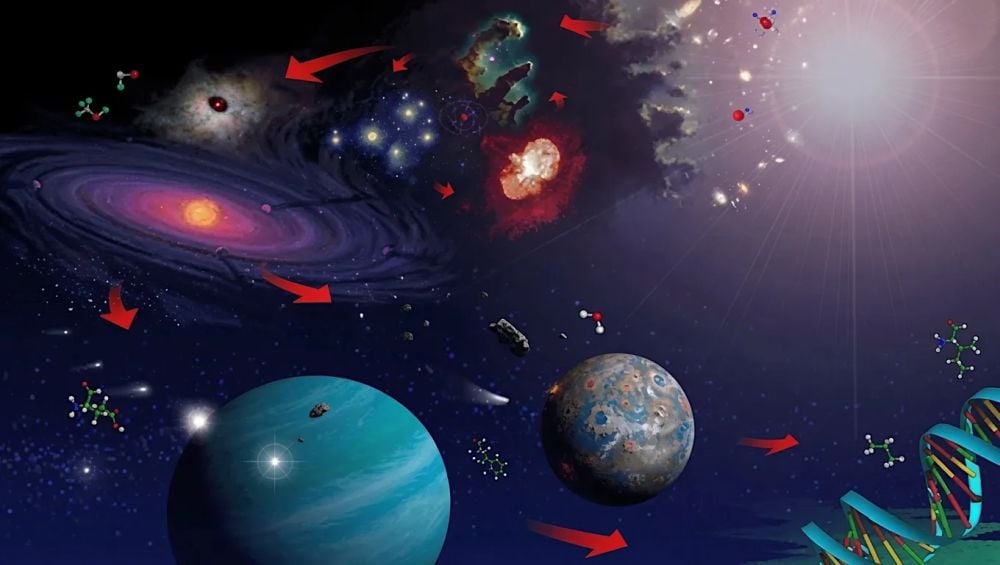
Researchers have identified a significant vulnerability in artificial intelligence systems when searching for signs of extraterrestrial life. While AI, particularly neural networks, is a powerful tool for identifying patterns within massive datasets, it is prone to generating false positives. This tendency has been described as an "Achilles heel" by scientists who conducted tests on an AI's capability to detect life. The findings highlight a critical challenge in relying solely on AI for such complex scientific endeavors, suggesting that human oversight and verification remain essential.
AI's application in scientific discovery, while promising for data analysis, faces inherent limitations such as generating false positives. This susceptibility, termed an "Achilles heel," underscores the need for robust validation mechanisms when employing AI in critical research areas like astrobiology. Future advancements should focus on improving AI's discriminative power and integrating human expertise to mitigate risks associated with over-reliance on automated systems. The development of AI in scientific research must balance efficiency gains with the imperative for accuracy and reliability, especially when pursuing profound questions about life beyond Earth.
AI-generated to prompt reflection — not editorial opinion, not advice, not a statement of fact. How this works.