AI Search Diverts Users from Web Pages, Upending Publisher Business Models
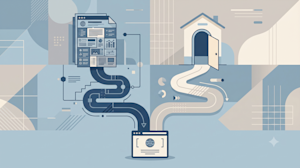
New research indicates that AI-generated search summaries are significantly impacting website traffic, with users clicking traditional search results only 8% of the time when an AI summary is present, compared to 15% without. Links cited within AI answers are clicked even less, around 1%. This trend has led to a substantial decline in page views for publishers, with data from Chartbeat showing a 34% drop from Google Search between December 2024 and December 2025. Small publishers have experienced roughly a 60% loss in search referral traffic over two years, and some have ceased operations. While AI systems are consuming web content at an accelerating rate to generate answers, sending fewer human users to specific pages, this creates a problematic feedback loop as the AI's funding model relies on the very click-throughs it is now reducing. The share of ChatGPT answers with live web citations has increased fivefold in less than a year, reaching 6.8% by May 2026. This shift means AI answer quality is directly tied to the health of the underlying content, making organic visibility crucial for AI search visibility. A new referral economy is emerging within AI chat interfaces, with a significant increase in traffic to homepages rather than deep-linked articles. Following a ChatGPT update in May 2026, referral traffic surged by 157%, but the proportion landing on homepages more than doubled to nearly 60%. This suggests AI is delivering pre-informed visitors ready to act, leading to increased subsequent visits for recommended brands. Sponsored results within ChatGPT conversations are also rising, with targeting shifting from keywords to conversational context, challenging Google's long-standing auction model. Google itself is experiencing disruption, with its share of U.S. search advertising projected to fall below 50% in 2026, partly due to Amazon's growth and the emergence of conversational advertising. Furthermore, Google faces structural challenges from a federal court judgment in the DOJ search antitrust case, which aims to end exclusive default agreements and improve data sharing with competitors. The competitive landscape is evolving, with OpenAI, Google, Perplexity, and Microsoft vying for user attention and advertising revenue, but none hold the dominant position Google once did in the traditional search market. The long-term impact on the open web remains uncertain, as a new economy routes value to brands rather than content pages, and publishers have limited influence over which sources AI systems cite, with many being uninfluenced by marketers or lacking traditional SEO visibility.
AI-driven search summarization fundamentally alters the user journey, shifting engagement from deep content exploration to homepage arrival. This transition challenges the ad-supported, click-based revenue models that have sustained the open web for decades. The AI's reliance on web content for training, coupled with its redirection of human traffic, creates a system where the information source's viability is undermined by the information consumer's success. Publishers face a critical need to adapt their website structures and content strategies to be more 'citable' and to cater to users arriving with pre-existing context from AI interactions. The evolving advertising landscape within conversational AI, moving from keyword auctions to context-based placements, represents a significant disruption to established search engine monopolies and necessitates new approaches to monetization and user engagement in the coming decade.
AI-generated to prompt reflection — not editorial opinion, not advice, not a statement of fact. How this works.