AI Startup Predicts Climate Risks, Generating R$3 Million Annually
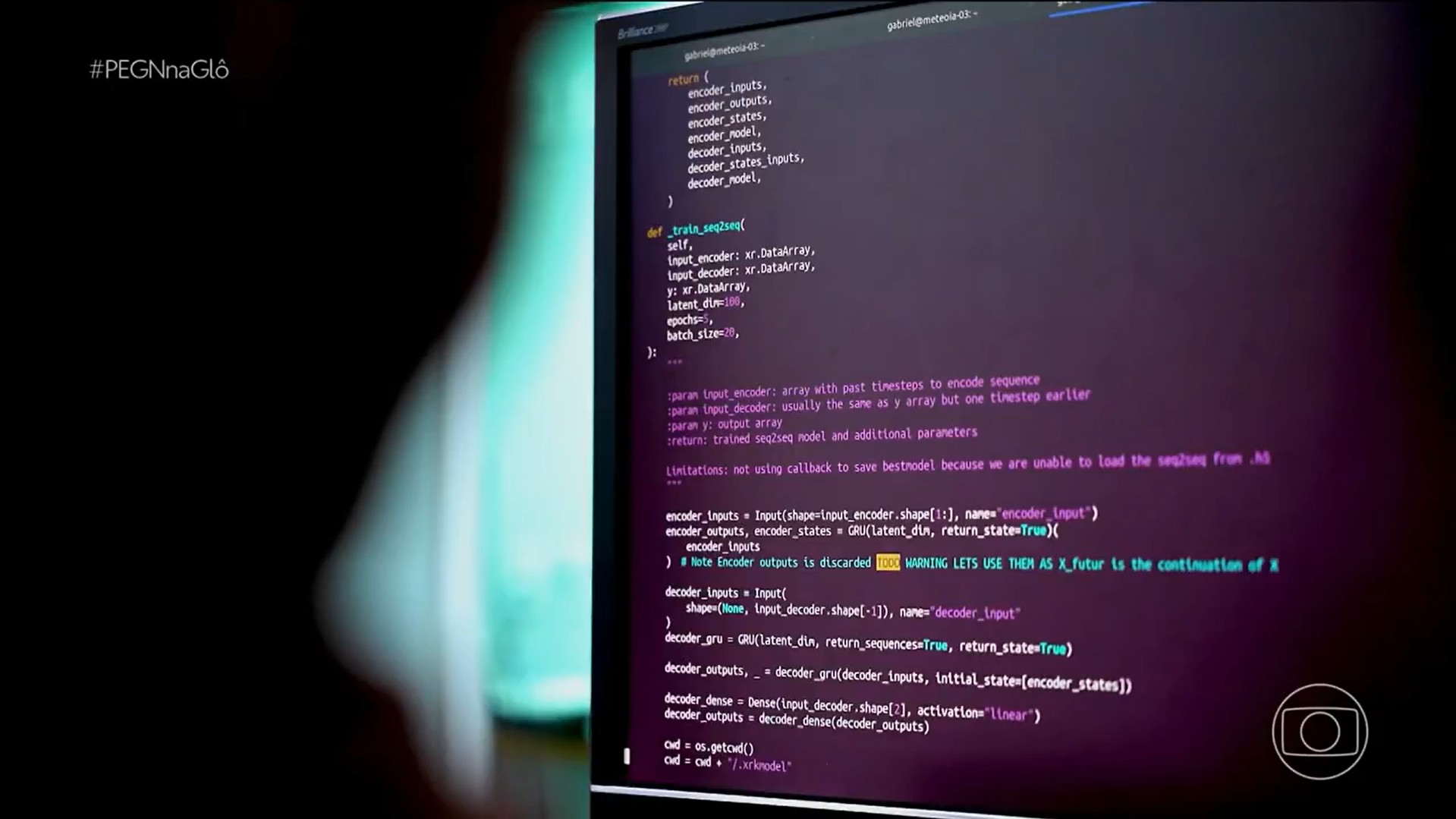
A Brazilian startup, founded by researchers Thomas Martin and Gabriel Perez, is leveraging artificial intelligence to predict climate risks and aid business decision-making. The company, named MeteoIA Data Science, emerged from early research into machine learning applications for meteorology and climate, a field less explored in Brazil when their work began. Martin, a French climate researcher from the University of São Paulo, and Perez, who was preparing to study in England, combined their expertise to develop predictive models. Initially focused on the energy sector, the startup has expanded its services to include agribusiness, insurance, infrastructure, and logistics. Their AI system, named Raoni after indigenous leader Raoni Metuktire, processes global data from satellites and weather stations to generate predictions up to 30 years in advance. The technology achieves up to 90% accuracy in short-term forecasts and around 70% for long-term trends. MeteoIA's solutions help businesses estimate crop yields, manage energy generation impacts, and forecast events like floods, landslides, and price fluctuations. Clients include highway concessionaires and construction companies, who use the predictions for risk monitoring and planning to mitigate delays from extreme weather. The startup currently employs 30 professionals and generates an annual revenue of approximately R$3 million, with founders anticipating growing demand as extreme weather events become more common.
This startup's approach to climate risk prediction highlights a growing market need for data-driven foresight in an era of increasing climate volatility. By translating complex meteorological data into actionable business intelligence, MeteoIA addresses the economic impact of extreme weather events across various sectors. The company's reliance on AI, particularly its Raoni system, demonstrates the potential of advanced analytics to provide strategic advantages. However, the accuracy of long-term climate projections, even at 70%, presents inherent uncertainties that businesses must carefully consider. As climate change intensifies, the development of robust, transparent, and adaptable AI forecasting tools will be crucial for fostering resilience and enabling proactive adaptation strategies within global economic systems.
AI-generated to prompt reflection — not editorial opinion, not advice, not a statement of fact. How this works.