AI Startup Singularity Escape Secures Seed Funding for Nexus Collaboration OS
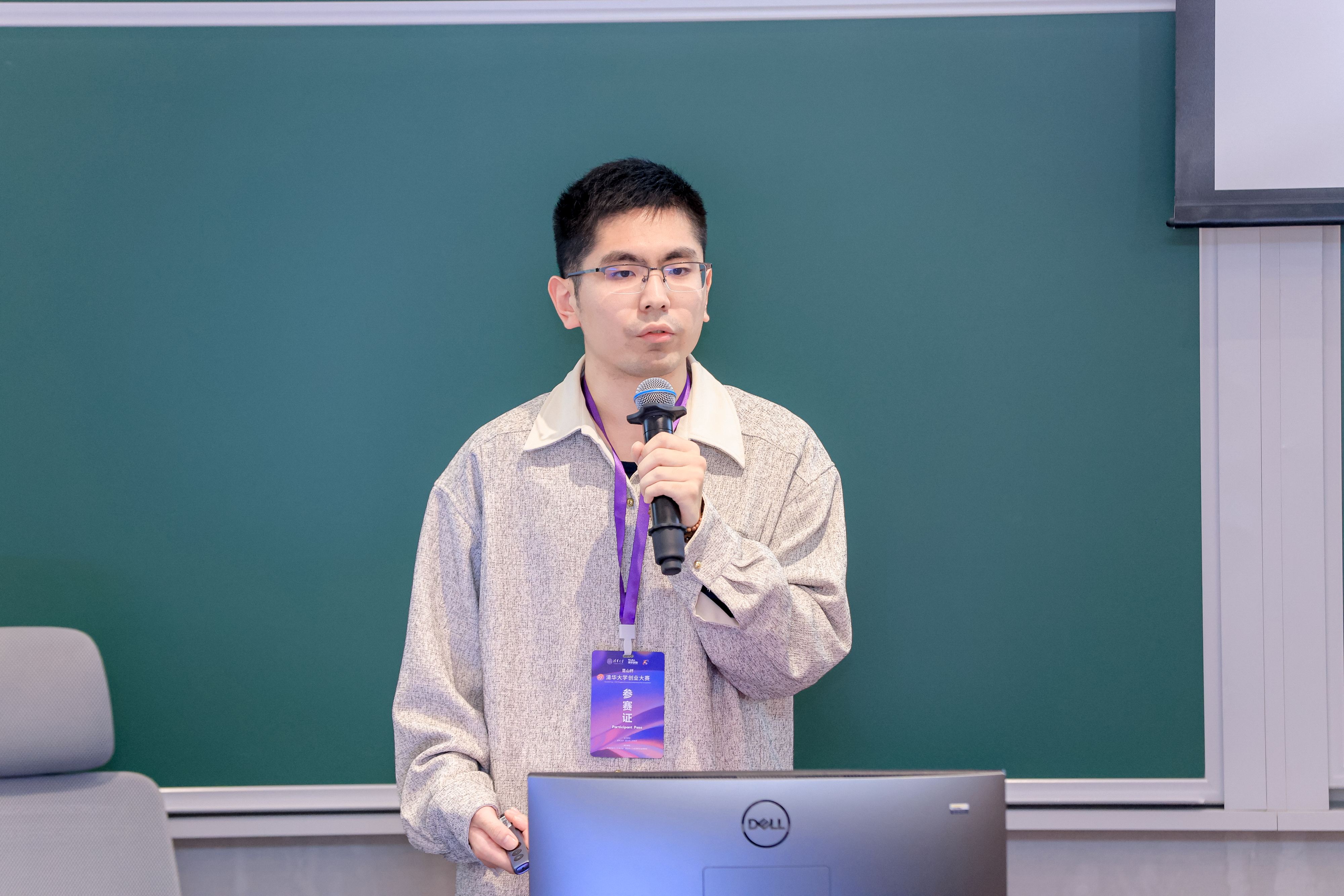
Chinese AI startup Singularity Escape has announced the completion of a multi-million RMB seed funding round, co-led by Starlink Capital and Shuimu Venture Capital, with participation from Matrix Partners China. The company is developing Nexus, an AI-native operating system designed for team collaboration. Nexus aims to enable seamless and continuous collaboration among humans, AI agents, tasks, knowledge, and tools by maintaining a unified organizational state.
Founded by Tsinghua University alumnus Xue Chuanyi, who holds a PhD in reinforcement learning and multi-agent systems, Singularity Escape addresses the growing challenge of integrating AI agents into organizational workflows. Current AI agents, while individually capable, often operate in silos, leading to fragmented context and difficulties in merging their outputs. Xue describes this as an "AI collaboration gap," where human oversight becomes necessary to bridge information gaps between agents.
Nexus tackles this by organizing information around a shared organizational state rather than individual conversations. It represents humans, agents, tasks, knowledge, and tools as interconnected objects, allowing new agents to understand past actions and decisions. This transforms agents from isolated tools into collaborative organizational members, integrated into the company's task, knowledge, and responsibility systems. The system emphasizes evidence-based self-evolution, where agents learn from real-world task feedback, undergo independent evaluation, and are governed by established mechanisms before implementing changes. This approach aims to build robust AI-driven organizational infrastructure for the future.
AI's integration into collaborative environments presents a fundamental shift from individual task execution to collective intelligence. The development of systems like Nexus, which focus on unifying AI agents and human workflows through a shared organizational state, addresses the critical need for coherent context and continuous learning. This approach moves beyond simply deploying AI tools to architecting AI as an intrinsic component of organizational structure and knowledge management. The emphasis on evidence-based self-evolution, coupled with rigorous governance and independent evaluation, is crucial for ensuring that AI's adaptation enhances, rather than destabilizes, operational integrity. As AI agents become more autonomous, the challenge lies in creating frameworks that foster emergent intelligence while maintaining accountability and aligning with organizational goals, thereby redefining the future of work and team dynamics in the AI era.
AI-generated to prompt reflection — not editorial opinion, not advice, not a statement of fact. How this works.